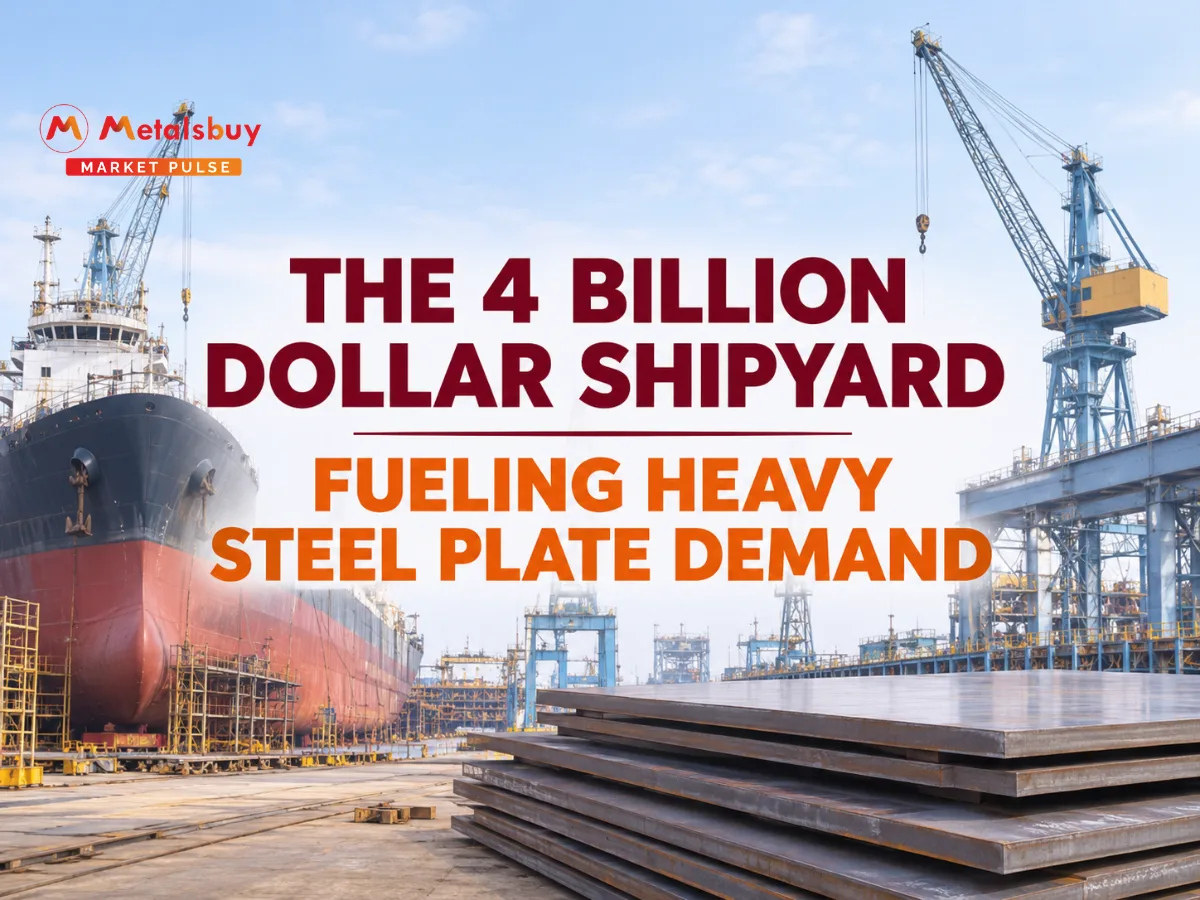
India’s heavy manufacturing and maritime sectors are preparing for a massive structural transformation as the nation actively courts premier global expertise to build out its coastal infrastructure. The Indian government, in a highly strategic collaboration with South Korean shipbuilding giant HD Hyundai, is finalizing the blueprints for a massive 4-billion-dollar greenfield shipyard in the southern state of Tamil Nadu. This multi-billion-dollar foreign direct investment represents a watershed moment for the domestic industrial ecosystem. By establishing world-class maritime manufacturing capabilities on Indian shores, the project promises to drastically reduce the nation's reliance on foreign commercial vessels while creating a highly lucrative, long-term demand center for the domestic steel and heavy engineering supply chains.
Strategic foreign collaboration to transform domestic shipbuilding
The proposed mega-project marks a highly aggressive push to elevate India's position in the global commercial maritime manufacturing hierarchy. According to preliminary government and industry disclosures, the proposed shipyard in Tamil Nadu will be engineered to handle the construction of massive commercial vessels, specialized offshore platforms, and advanced naval assets. Bringing HD Hyundai into the fold is a masterstroke of industrial diplomacy. As one of the world's most dominant and technologically advanced shipbuilders, the South Korean conglomerate brings decades of unmatched expertise in complex naval architecture, automated manufacturing, and large-scale project execution.
The selection of Tamil Nadu for this 4 billion dollar facility is deeply rooted in logistical and economic pragmatism. The state boasts an exceptionally long coastline, deep-draft port potential, and an already thriving heavy engineering and automotive ecosystem. By establishing the shipyard here, HD Hyundai and the Indian government can immediately tap into a vast pool of skilled technical labor and a robust network of secondary component manufacturers. This strategic geographical placement ensures that the shipyard will have seamless access to international shipping lanes, allowing the finished vessels to be deployed directly into global trade routes the moment they slide off the dry docks.
Massive demand generated for domestic high grade steel plates
For the Indian metallurgical sector, the construction and operation of a world-class shipyard translates into an unprecedented, high-volume order book for specialized raw materials. Shipbuilding is one of the most steel-intensive manufacturing processes in the world. Constructing massive bulk carriers, oil tankers, and container ships requires thousands of tonnes of high-grade, extra-wide heavy steel plates. Currently, the domestic demand for these specialized maritime steel plates hovers around a moderate level, often forcing Indian primary steelmakers to export their heavy plate output or operate those specific rolling mills below maximum capacity.
The operationalization of the Tamil Nadu shipyard will fundamentally alter this demand curve. Industry analysts project that a shipyard of this 4 billion dollar magnitude will consistently consume hundreds of thousands of tonnes of premium steel annually. This provides a massive, guaranteed revenue stream for integrated domestic steelmakers like the Steel Authority of India and private giants operating heavy plate mills. To meet the stringent safety and structural standards required by international maritime registries, domestic steelmakers will be pushed to upgrade their metallurgical processes, producing advanced anti-corrosion and high-tensile steel grades. This localized demand ensures that the capital spent on shipbuilding directly nourishes the domestic metals sector, actively protecting the profit margins of Indian blast furnace operators.
Aligning with national maritime and defense targets
From a broader macroeconomic perspective, this foreign collaboration seamlessly aligns with the central government’s long-term vision for absolute industrial self-reliance and national security. India is currently executing the ambitious Maritime India Vision 2030, a comprehensive roadmap designed to propel the nation into the top tier of the global maritime sector. Despite moving a massive volume of global trade, India currently accounts for a fractional percentage of global commercial shipbuilding. By partnering with HD Hyundai, the government is aggressively closing this gap. The facility will not only build commercial fleets to handle the nation's booming export-import cargo but also possesses the potential to support the Indian Navy's massive fleet expansion requirements.
Beyond the strategic autonomy, the economic ripple effect of this 4 billion dollar investment will be staggering. The construction phase alone will generate thousands of direct civil engineering jobs, while the active shipyard will require a permanent, highly skilled workforce. Furthermore, a mega-shipyard naturally fosters a vast ancillary ecosystem, attracting marine engine manufacturers, navigation equipment suppliers, and heavy logistics providers to set up shop in the surrounding coastal districts. As the Indian economy accelerates, securing a domestic, world-class shipbuilding infrastructure guarantees that the nation's future trade and defense logistics will be powered by vessels proudly manufactured on Indian soil using domestic steel.