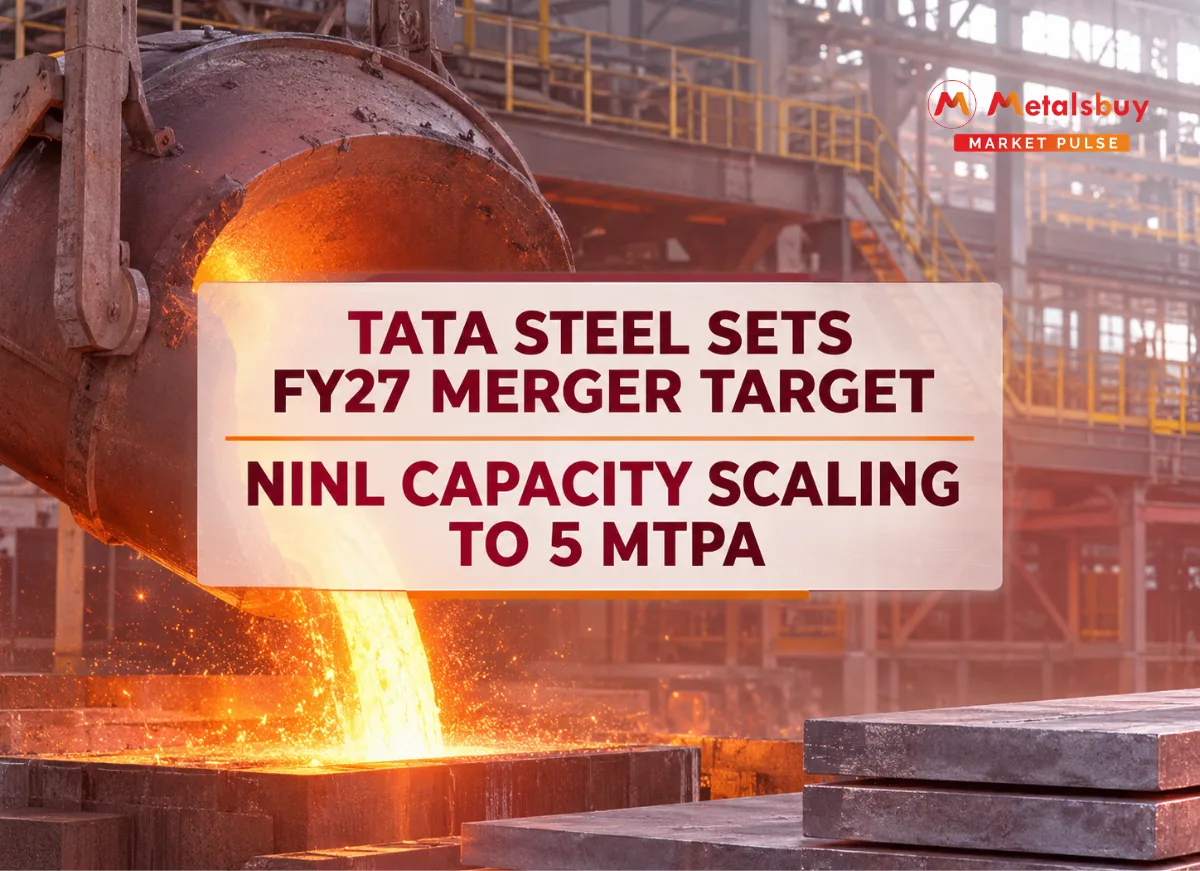
The Indian metallurgical landscape is entering a highly strategic phase of corporate consolidation as major conglomerates move to streamline their manufacturing assets. Tata Steel is actively pushing forward with its ambitious corporate restructuring, targeting the complete amalgamation of Neelachal Ispat Nigam Limited into its primary operations by the end of the 2026-27 financial year. This final regulatory merger represents a massive operational victory for the enterprise. By formally integrating this massive asset, the steel giant will fully unlock the synergistic value of the Odisha-based facility, rapidly scaling its long products portfolio to meet the surging structural demands of the domestic infrastructure sector while establishing a highly robust, unified balance sheet.
Streamlining operations to build a massive long products manufacturing hub
The formal integration allows the company to eliminate redundant corporate overheads and create a highly synchronized production corridor in eastern india. The journey toward this merger began with a highly calculated acquisition strategy. Back in 2022, Tata Steel successfully acquired the state-owned Neelachal Ispat Nigam Limited through a massive ₹12,100 crore transaction. The acquisition handed the private steelmaker a readymade, fully integrated 1.1 million tonnes per annum steel plant located in the Kalinganagar industrial complex of Odisha.
Finalizing the statutory merger by FY27 is the critical next step in maximizing the return on this massive capital deployment. Operating multiple subsidiary companies within the same geographic industrial hub often leads to redundant administrative expenses and complex internal logistics. By formally merging Neelachal Ispat into the parent company, Tata Steel will effectively dissolve these operational borders. This consolidation allows the management to treat the massive Kalinganagar region as a single, highly fluid manufacturing ecosystem. The legacy Tata Steel plant in the region predominantly focuses on high-grade flat products, while the Neelachal Ispat facility is specifically engineered for long products like wire rods and construction rebars. Merging these entities creates a perfectly balanced product portfolio under a single corporate umbrella, allowing the sales divisions to offer comprehensive, bundled supply contracts to major national infrastructure developers.
Leveraging captive iron ore reserves to protect operational profit margins
Securing direct access to massive raw material blocks effectively shields the expanded factory run rates from volatile global commodity pricing. One of the most lucrative aspects of finalizing this merger is the seamless integration of massive raw material assets directly into Tata Steel's primary books. The acquisition of Neelachal Ispat did not just include factory infrastructure; it brought along highly coveted captive iron ore mines located in the mineral-rich belts of Sundargarh and Keonjhar.
These specific mining leases possess an estimated reserve of over 90 million tonnes of high-grade iron ore. As the domestic steel market continues to grow, securing affordable, localized raw materials is absolutely essential for protecting corporate profit margins. When the merger is finalized, the logistical and financial process of transferring this captive iron ore to Tata Steel’s various blast furnaces will become entirely frictionless. By utilizing these captive reserves to their maximum potential, the integrated steelmaker structurally lowers its overall cost of goods sold. This deep backward integration provides a massive financial cushion, ensuring that even if global seaborne iron ore prices experience sudden, speculative spikes, the company's blast furnaces can continue operating at peak thermal efficiency without suffering severe margin compression.
Aligning capacity scale up with the national infrastructure supercycle
Expanding the newly merged entity's output ensures a steady localized supply of essential construction materials for heavy civil engineering projects. From a broader macroeconomic perspective, finalizing this merger paves the way for aggressive capacity expansion that perfectly aligns with India's long-term industrial aspirations. The current 1.1 million tonne capacity of the Neelachal Ispat plant is just the baseline. Tata Steel's corporate leadership has explicitly outlined plans to rapidly scale up the output of this specific site to approximately 4.5 to 5 million tonnes per annum in the medium term, with a long-term vision of pushing it toward the 10 million tonne mark.
Executing a brownfield expansion of this magnitude requires a highly secure and simplified corporate structure, which the FY27 merger will provide. This massive capacity addition is meticulously timed. The central government is currently executing a multi-billion dollar capital expenditure program, aggressively building out national highway networks, urban mass transit systems, and dedicated railway freight corridors. All of these civil engineering mega-projects require thousands of tonnes of high-strength long steel products. By rapidly scaling the Neelachal Ispat facility under its own flagship brand, Tata Steel guarantees that it will capture a dominant share of this localized infrastructure demand, directly substituting the need for expensive structural steel imports.
Securing regulatory approvals for a seamless financial transition
The targeted fiscal 2027 timeline provides ample runway to clear statutory hurdles and fully merge balance sheets without disrupting daily operations. Executing a merger of this scale involves navigating a complex web of legal, financial, and regulatory frameworks. The timeline set for the end of the 2026-27 financial year reflects a mature and highly realistic corporate strategy. Over the next few quarters, the management will actively coordinate with the National Company Law Tribunal, market regulators, and minority shareholders to secure all necessary statutory clearances.
By setting a clear runway for FY27, the company ensures that the daily factory floor operations and ongoing production ramp-ups are not disrupted by administrative legalities. Once the amalgamation is legally complete, the combined financial strength will significantly improve the enterprise's overall credit profile and borrowing capacity. Ultimately, wrapping up this consolidation guarantees that Tata Steel will enter the next decade as an incredibly agile, cost-efficient, and deeply integrated manufacturing powerhouse, perfectly equipped to lead India's push toward a 300 million tonne national steel capacity by 2030.