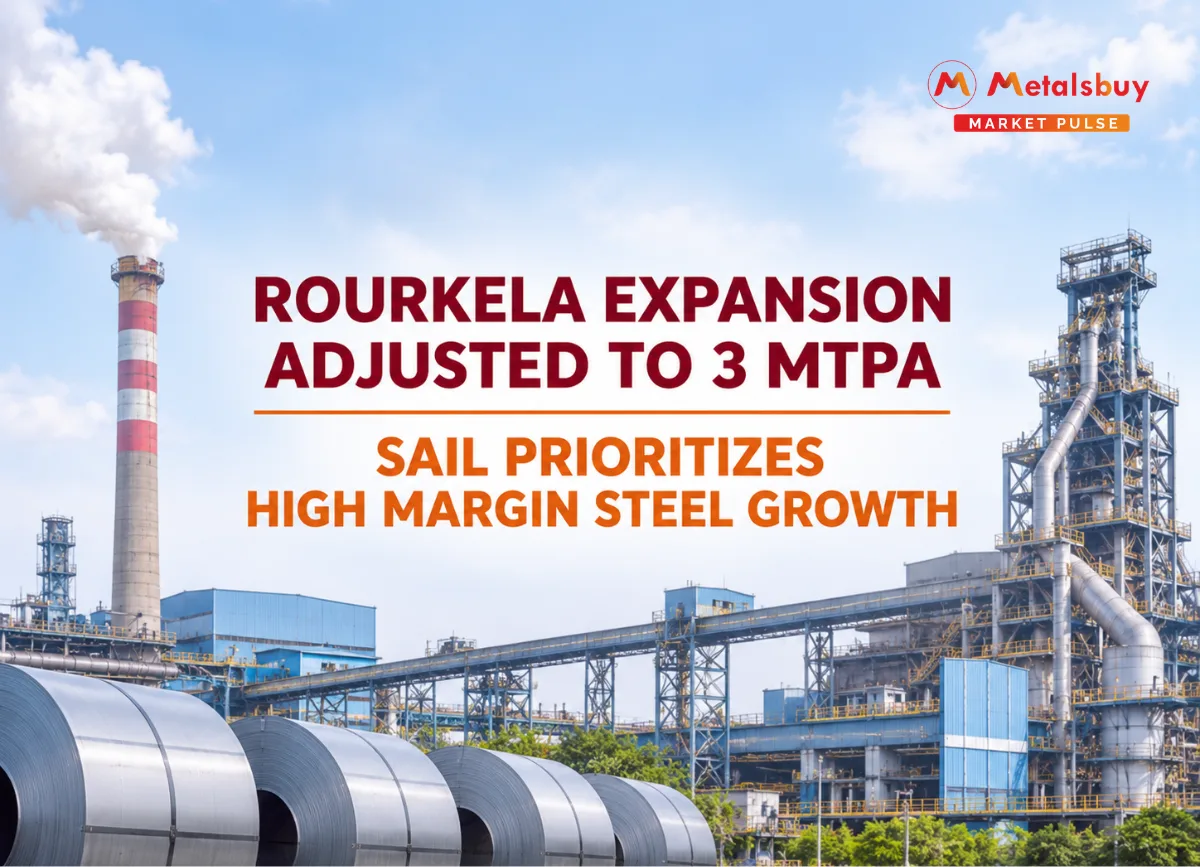
The Indian metallurgical ecosystem is witnessing a highly mature approach to capital deployment as public sector enterprises prioritize long-term profitability over sheer volumetric scale. Steel Authority of India Limited is strategically recalibrating the upcoming modernization and expansion phase at its flagship Rourkela Steel Plant in Odisha. By proactively optimizing the proposed new capacity addition from an initial five million metric tonnes down to a highly efficient three million metric tonnes per annum, the corporate management is demonstrating exceptional fiscal discipline. This calculated pivot ensures that the massive industrial hub focuses heavily on producing high-margin, specialized steel products, establishing a robust and economically resilient operational baseline to support the nation's infrastructural future.
Strategic capacity rationalization prioritizes high value manufacturing
By right sizing the upcoming expansion phase the state owned steelmaker is actively protecting its corporate balance sheet and focusing on product quality. The decision to streamline the expansion blueprint at the Rourkela facility is a textbook example of adaptive industrial strategy. According to preliminary internal evaluations and industry intelligence, the initial master plan envisioned adding a massive five million tonnes of fresh crude steel capacity. However, a comprehensive review of shifting global market dynamics and domestic supply chains prompted the management to revise this target to a more sustainable three million metric tonnes.
This optimization is far from an industrial setback; it is a highly positive financial maneuver. Adding five million tonnes of generic crude steel capacity requires astronomical capital expenditure and severely exposes the corporate balance sheet to the unpredictable price volatility of international seaborne coking coal. By capping the new addition at three million tonnes, the Steel Authority of India avoids overleveraging its assets. Instead of flooding the domestic market with basic commercial-grade rebar, the plant will utilize this targeted capacity to maximize the output of its advanced hot strip and plate mills. The focus is entirely shifting from mass commodity production to precision metallurgy, ensuring that every newly produced tonne of steel yields a significantly higher profit margin for the state-run enterprise.
Redirecting capital towards green metallurgy and modernization
The optimized capacity target allows the management to channel critical funds into emission control systems and advanced rolling technologies. A highly beneficial byproduct of right-sizing the capacity expansion is the liberation of vital capital resources. By saving billions of rupees that would have otherwise been spent on building redundant, oversized blast furnaces, the Rourkela Steel Plant can aggressively redirect its investments toward technological modernization and environmental sustainability.
The global steel trade is rapidly transforming, with major export corridors heavily penalizing carbon-intensive manufacturing. By focusing on a highly optimized three-million-tonne addition, the plant can seamlessly integrate state-of-the-art emission control frameworks, advanced waste heat recovery systems, and highly automated material handling logistics. This ensures that the newly expanded facility operates with a remarkably low carbon footprint. Furthermore, the freed-up capital is expected to be funneled into upgrading the plant's existing heavy plate mill and continuous casting units. This technological push guarantees that the facility operates at peak thermal efficiency, minimizing raw material wastage and aligning perfectly with the strict green manufacturing mandates set by the central government.
Aligning factory output with specialized domestic consumption
This calculated operational pivot perfectly positions the facility to feed india's booming defense and maritime infrastructure sectors. The strategic shift to a three-million-tonne expansion is meticulously tailored to meet the sophisticated demands of India’s modernizing economy. The Rourkela Steel Plant is historically renowned for being the primary supplier of specialized heavy steel plates, which are the absolute structural backbone for critical national sectors.
Currently, the Indian defense manufacturing ecosystem and the commercial shipbuilding industry are experiencing a massive supercycle of growth. The government’s push to build advanced naval vessels, deep-water offshore platforms, and high-pressure energy pipelines requires thousands of tonnes of ultra-thick, high-tensile, and corrosion-resistant steel plates. Generic, high-volume steel mills cannot produce these specialized alloys. By concentrating its operational bandwidth on this targeted three-million-tonne expansion, the Rourkela facility ensures it has the exact metallurgical precision required to dominate this premium market segment. This localization directly substitutes expensive specialty steel imports, keeping crucial defense and infrastructure supply chains completely self-reliant and securely anchored within domestic borders.
Setting a resilient foundation for long term industrial growth
A balanced approach to capacity addition ensures that the domestic supply chain remains cost effective and shielded from global market volatility. From a broader macroeconomic perspective, this capacity rationalization highlights the growing maturity of India's public sector manufacturing strategy. Chasing absolute volume without securing backend profitability is a flawed approach in today's dynamic commodities market.
The central government has set a firm National Steel Policy target to reach 300 million tonnes of annual capacity by 2030. The optimization at Rourkela proves that this national growth will be achieved through smart, highly efficient, and profitable capacity additions rather than reckless expansion. By securing a deeply integrated, highly profitable three-million-tonne extension, the Rourkela Steel Plant guarantees its position as an incredibly resilient, future-ready pillar of the Indian economy. This balanced growth ensures that the facility will continue to generate massive regional employment and steady corporate revenues, fully supporting the nation's ongoing infrastructure boom for decades to come.