Key Numbers
Strategic Iron Ore Asset Strengthens Raw Material Integration
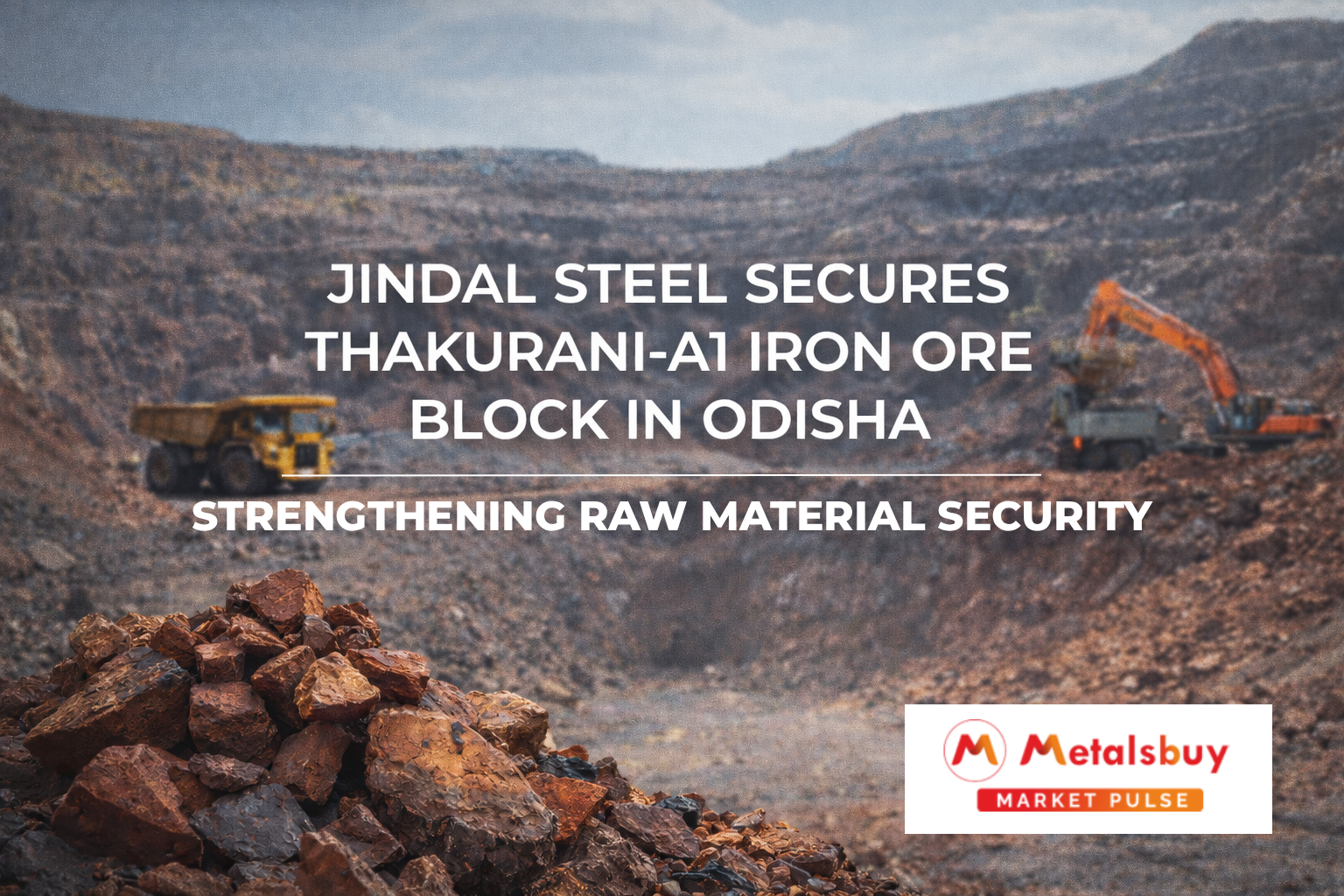
Jindal Steel & Power Ltd. (JSPL) has secured the Thakurani-A1 iron ore block in Odisha, adding an estimated 50 million tonnes of iron ore reserves to its resource base. The block, located in the mineral-rich Keonjhar district, is part of Odisha’s ongoing mineral auction program aimed at ensuring efficient allocation of mining resources. By acquiring the block, JSPL strengthens its long-term raw material security, an increasingly critical factor for steel producers operating in a volatile commodity environment. Iron ore remains the most important input in blast furnace steelmaking, and access to captive resources helps producers manage supply risks and cost fluctuations. The acquisition reflects the growing emphasis among large steelmakers on securing upstream assets to ensure stable production economics. As competition for mineral resources intensifies, captive mining assets are becoming a key strategic advantage in the global steel industry.
Odisha Continues to Anchor India’s Iron Ore Supply
Odisha remains the largest iron ore producing state in India, accounting for a significant share of the country’s total ore output. The state hosts several large mining clusters, including those located in Keonjhar, Sundargarh, and Mayurbhanj, which together support a large portion of India’s steelmaking capacity. Government-led auctions of mineral blocks have accelerated in recent years as part of efforts to improve transparency and optimize resource allocation. These auctions have attracted strong participation from both established steel producers and new mining entrants seeking long-term supply security. The Thakurani-A1 block represents another step in this ongoing process, reinforcing Odisha’s role as a central hub in India’s iron ore supply chain. For steel producers operating in eastern India, proximity to ore deposits also reduces transportation costs and improves operational efficiency. As a result, access to Odisha’s mineral resources remains strategically important for companies expanding their steelmaking capacity.
Captive Mining Reduces Raw Material Volatility for Steel Producers
For integrated steelmakers, iron ore costs represent a significant portion of overall production expenses. Reliance on external suppliers can expose producers to fluctuations in ore prices, logistics costs, and supply disruptions. By securing captive mining assets, steel companies are better positioned to control raw material procurement and maintain more stable production costs. The acquisition of the Thakurani-A1 block allows JSPL to reduce its dependence on market purchases of iron ore, thereby improving its cost structure over the long term. Such vertical integration strategies are increasingly common among large steel producers in India as they seek to strengthen supply chain resilience. In addition to cost advantages, captive mining can also provide greater operational flexibility by ensuring consistent ore availability for steelmaking operations. These benefits become particularly important during periods of raw material market volatility.
Expanding Steel Capacity Driving Demand for Iron Ore Assets
India’s steel sector continues to expand capacity in response to growing domestic demand driven by infrastructure development, urbanization, and manufacturing growth. As steel output increases, the demand for iron ore and other raw materials rises proportionately. Large steel producers are therefore actively pursuing mining assets to support their long-term expansion plans. Securing iron ore reserves not only ensures supply stability but also supports future capacity growth without excessive reliance on external suppliers. The acquisition of additional mineral resources by companies such as JSPL reflects the broader trend of resource integration across India’s steel industry. With the country targeting significant increases in steel production over the coming decade, access to reliable iron ore supplies will remain a crucial factor shaping the competitive landscape of the sector.
Industry Impact
The allocation of the Thakurani-A1 iron ore block strengthens JSPL’s upstream resource base while reinforcing the importance of captive mining in India’s steel sector. For the broader industry, continued auctioning of mineral blocks in Odisha ensures that critical raw materials remain available to support expanding steel production. Integrated steelmakers with access to captive iron ore are likely to enjoy greater cost stability compared with producers that depend entirely on market procurement. At the same time, the increasing consolidation of mining resources among large steel producers could influence the dynamics of the domestic iron ore market in the long term.
Metalsbuy Market Pulse View
The acquisition of the Thakurani-A1 iron ore block underscores the strategic importance of raw material security for steel producers operating in an increasingly competitive market. As India’s steel capacity continues to expand, securing reliable sources of iron ore will remain a critical priority for integrated producers. JSPL’s latest mining asset strengthens its vertical integration strategy while highlighting the broader industry shift toward greater control over upstream resources. In the coming years, the race to secure iron ore reserves is likely to intensify as steelmakers position themselves for long-term growth in India’s infrastructure-driven steel demand cycle.