Key Highlights
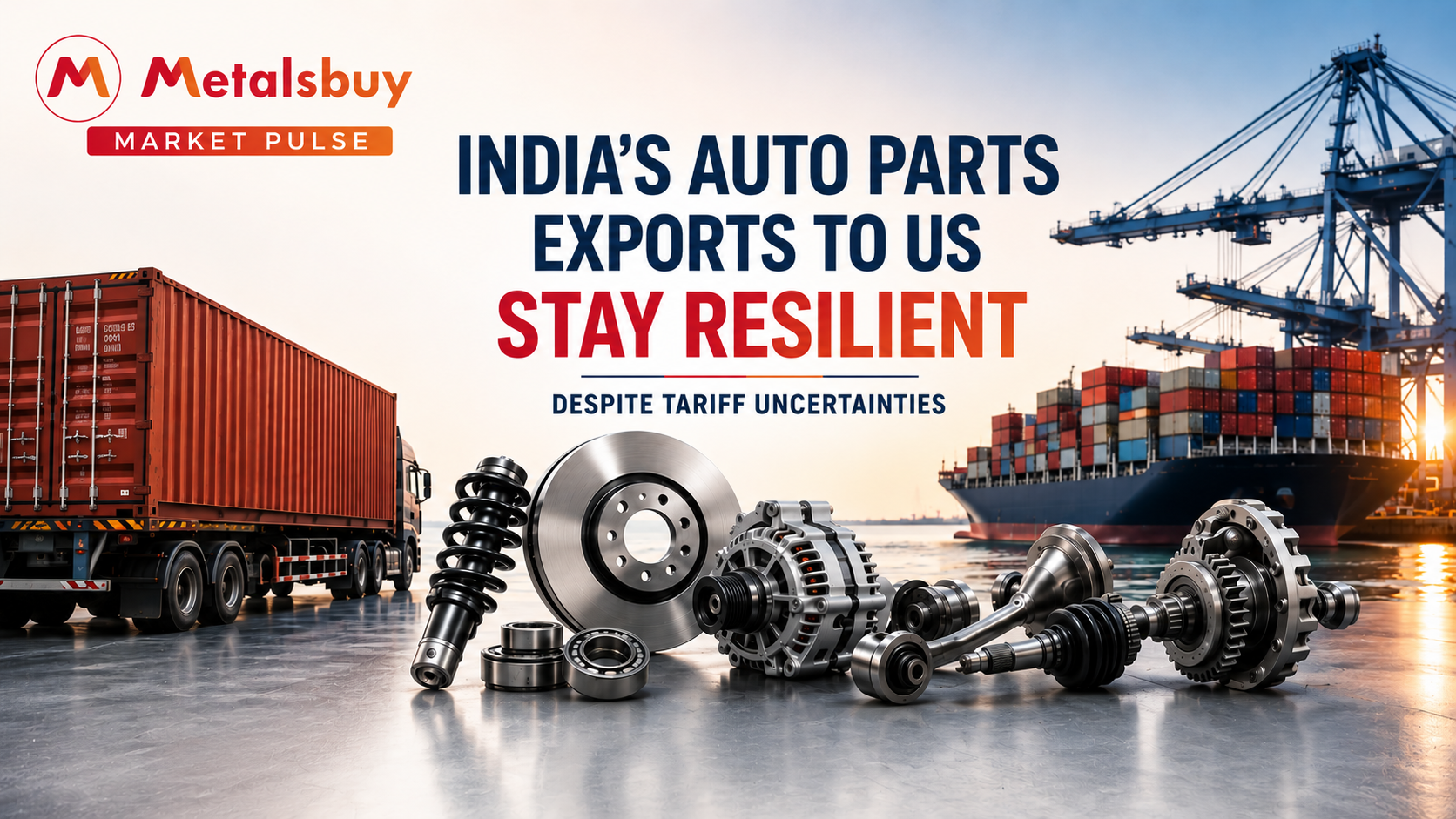
- India's auto component exports to the United States have remained resilient despite ongoing tariff-related uncertainties.
- The US continues to be the largest export market for India's auto component industry.
- According to the Auto Component Manufacturers Association (ACMA), Indian suppliers are witnessing increased sourcing enquiries from US buyers looking to diversify beyond China.
- India's growing competitiveness in quality, cost efficiency and supply chain reliability is strengthening its position in the global automotive ecosystem.
- The shift presents a significant opportunity for Indian manufacturers to expand their presence in the North American market.
Introduction
India's automotive component industry continues to demonstrate remarkable resilience even as global trade remains affected by tariff uncertainties and geopolitical shifts. Despite concerns surrounding US trade policies, exports of Indian auto components to the United States have remained strong, reinforcing India's position as a trusted manufacturing partner. Industry experts believe the resilience is being driven by global manufacturers actively diversifying their supply chains beyond China. This evolving trade landscape is creating fresh opportunities for Indian manufacturers to strengthen their footprint in one of the world's largest automotive markets.
Why Are Exports Holding Up?
According to the Auto Component Manufacturers Association (ACMA), demand from US buyers has remained healthy despite tariff-related concerns. One of the biggest reasons is the global strategy adopted by automotive companies to reduce dependence on a single sourcing destination. As businesses increasingly follow the "China Plus One" approach, India has emerged as a preferred alternative due to its strong engineering capabilities, competitive manufacturing costs and established supplier base. This trend has resulted in a steady rise in sourcing enquiries from American buyers looking for reliable long-term partners.
Market Analysis
The United States remains India's largest export destination for auto components, making it a critical market for the domestic automotive industry. Indian manufacturers have steadily improved product quality, manufacturing standards and technological capabilities over the past decade, enabling them to compete with global suppliers. Increasing investments in automation, precision engineering and export-oriented manufacturing have further strengthened India's competitiveness. Even if tariff uncertainties continue, the structural shift towards diversified sourcing is expected to support long-term export growth.
Industry Impact
The continued strength of exports provides a positive outlook not only for auto component manufacturers but also for the broader manufacturing and engineering sectors. Higher exports are likely to encourage additional investments in capacity expansion, product development and advanced manufacturing technologies. The growing integration of Indian suppliers into global automotive supply chains could also generate employment opportunities and enhance export earnings. As electric vehicles and next-generation mobility solutions gain momentum, Indian component manufacturers are well positioned to benefit from evolving global demand.
Metalsbuy Market Pulse Insight
Although this development primarily relates to the automotive sector, it also carries positive implications for India's steel industry. Growth in auto component manufacturing directly supports demand for high-quality flat steel, stainless steel, alloy steel and specialty engineering products. As export orders increase, domestic steel producers supplying automotive-grade steel may also benefit from higher production volumes and improved capacity utilisation. The trend further highlights India's emergence as a globally competitive manufacturing hub backed by a robust metals and engineering ecosystem.
Conclusion
India's resilient auto component exports demonstrate that long-term competitiveness is increasingly being driven by quality, reliability and supply chain diversification rather than short-term tariff fluctuations. As global manufacturers continue to diversify sourcing strategies, India is well positioned to strengthen its role in the international automotive supply chain. If supported by continued investments, policy stability and manufacturing excellence, the sector is expected to remain an important contributor to India's export growth and industrial development.