Chinese Metallurgical Coke Imports Contract as Steelmakers Optimize Domestic Supply Chains
The Chinese heavy manufacturing ecosystem is demonstrating increased self-reliance as it fine-tunes its raw material procurement strategies. According to recent trade data, China’s imports of metallurgical coke experienced a measured decline during the first nine months of the 2026 calendar year. Rather than signaling industrial weakness, this contraction underscores a highly successful effort by domestic steelmakers to optimize internal supply chains and leverage abundant local coking capacities. By reducing their dependence on specialized foreign shipments, Chinese integrated mills are actively protecting their operational margins, shielding themselves from international price volatility, and setting a more stable, resilient foundation for the upcoming winter production cycles.
Evaluating the downward shift in inbound raw materials
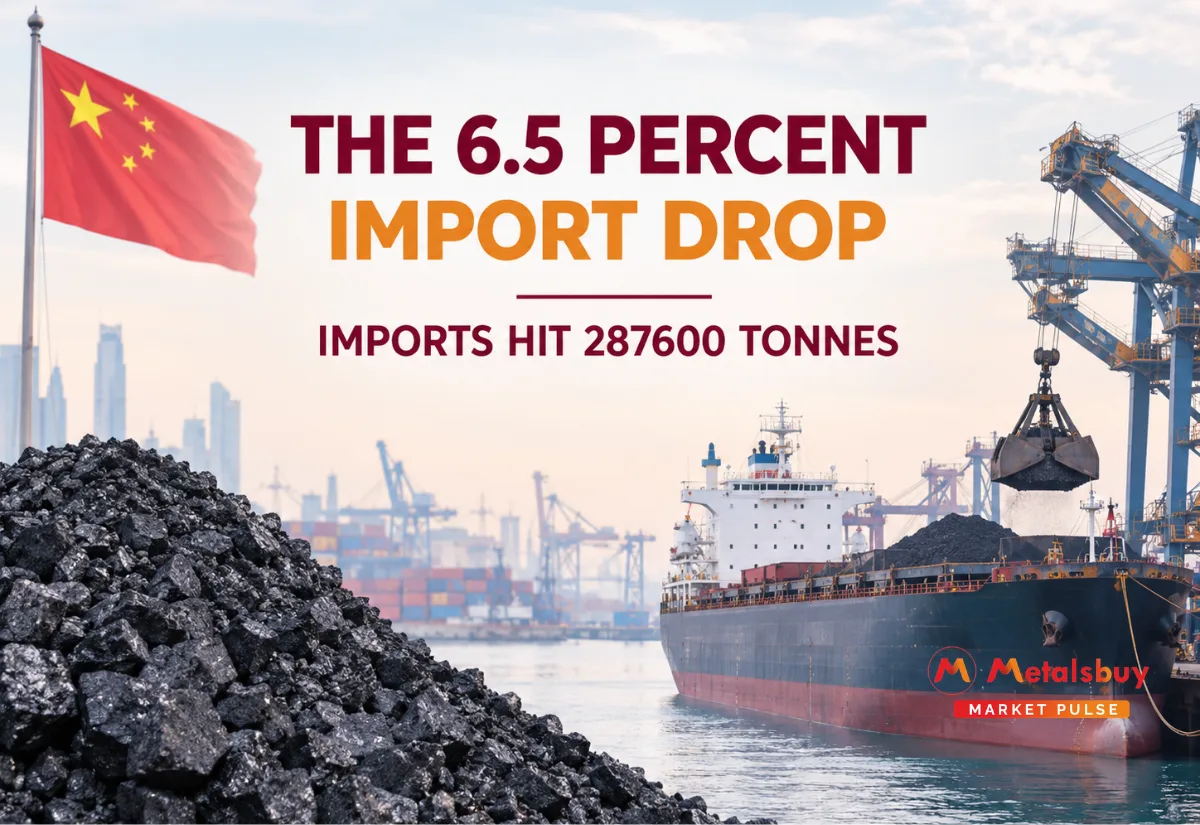
The latest customs statistics highlight a deliberate and calculated reduction in the volume of imported blast furnace fuels entering eastern ports. During the comprehensive January to September 2026 window, China's total imports of metallurgical coke stood at 287,600 metric tonnes. According to the General Administration of Customs, this figure represents a highly controlled 6.5 percent year-on-year decrease compared to the same nine-month period in the previous year. The data for the late summer months further solidifies this downward trajectory. In September alone, inbound shipments of coke totaled 35,300 metric tonnes. While this marks a fractional 0.84 percent month-on-month decline, it represents a massive 75.9 percent drop when compared directly to September of the previous year. This sharp annual drop for the specific month proves that domestic buyers are actively stepping away from international spot markets, completely confident that their domestic inventory buffers are more than sufficient to sustain ongoing blast furnace operations without requiring expensive overseas top-ups.
Prioritizing domestic production over volatile international markets
The shift away from imported fuel highlights the immense scale and improving quality of China's localized metallurgical coke industry. China has historically operated as the undisputed global heavyweight in coke production, typically exporting millions of tonnes annually to global buyers. The relatively small volumes it does import usually consist of highly specialized, premium grades required for specific blending purposes by coastal mills. However, the 6.5 percent reduction indicates that domestic coking facilities have successfully upgraded their processing technologies. Local merchant coke plants are now fully capable of washing and baking domestic coal blends into high-strength metallurgical coke that perfectly meets the strict thermal and mechanical requirements of modern, high-capacity blast furnaces.
By sourcing this critical reducing agent locally, Chinese steelmakers completely bypass the logistical hurdles, unpredictable maritime freight rates, and currency exchange risks associated with international seaborne trade. This strategic localization fundamentally lowers the base cost of producing hot metal. In an economic environment where finished steel prices are navigating seasonal fluctuations, securing cheaper, localized raw materials provides integrated mills with a vital financial cushion to protect their corporate profitability.
Enhancing blast furnace efficiency and green transitions
The reduction in imported coke aligns perfectly with the sector's broader mandate to modernize smelting infrastructure and improve overall energy efficiency. The declining appetite for foreign coke is deeply intertwined with the ongoing technological evolution across the Chinese steel landscape. As part of the government's aggressive push toward green manufacturing, older, less efficient blast furnaces are being systematically decommissioned. The modern, ultra-large blast furnaces replacing them are engineered to operate with significantly higher fuel efficiency, drastically reducing the overall volume of coke consumed per tonne of pig iron produced.
Furthermore, major mills are increasingly utilizing advanced pulverized coal injection techniques to supplement their fuel mix inside the furnace, further diminishing the absolute requirement for premium lump coke. By adopting these highly efficient metallurgical practices, the industry is naturally suppressing its raw material import requirements. This technological shift allows steelmakers to achieve critical ultra-low emission targets, significantly lowering their collective carbon footprint while maintaining the high production run-rates required by the domestic automotive and consumer appliance sectors.
Future outlook for global trade corridors
The evolving Chinese procurement strategy is actively reshaping how international raw material suppliers view the Asian commodities market. From a broader macroeconomic perspective, China's declining metallurgical coke imports send a clear, stabilizing signal to the global trade network. As Chinese buyers consolidate their supply lines domestically, international producers in regions like Indonesia, Japan, and Colombia are increasingly redirecting their export cargoes toward rapidly expanding markets, particularly the booming infrastructure sector in India. This geographical pivot ensures that global supply chains remain fluid and highly active despite China's reduced participation in the import sector.
For the domestic Chinese market, maintaining a tight, highly localized grip on core raw materials guarantees that the manufacturing base remains fiercely competitive on the global stage. By insulating its supply chain from external shocks, China is building a highly resilient industrial foundation. As the industry prepares to execute its final production targets for the year, this optimized, self-reliant supply chain ensures that the nation's heavy infrastructure and advanced manufacturing sectors will continue to operate with absolute confidence and stability.