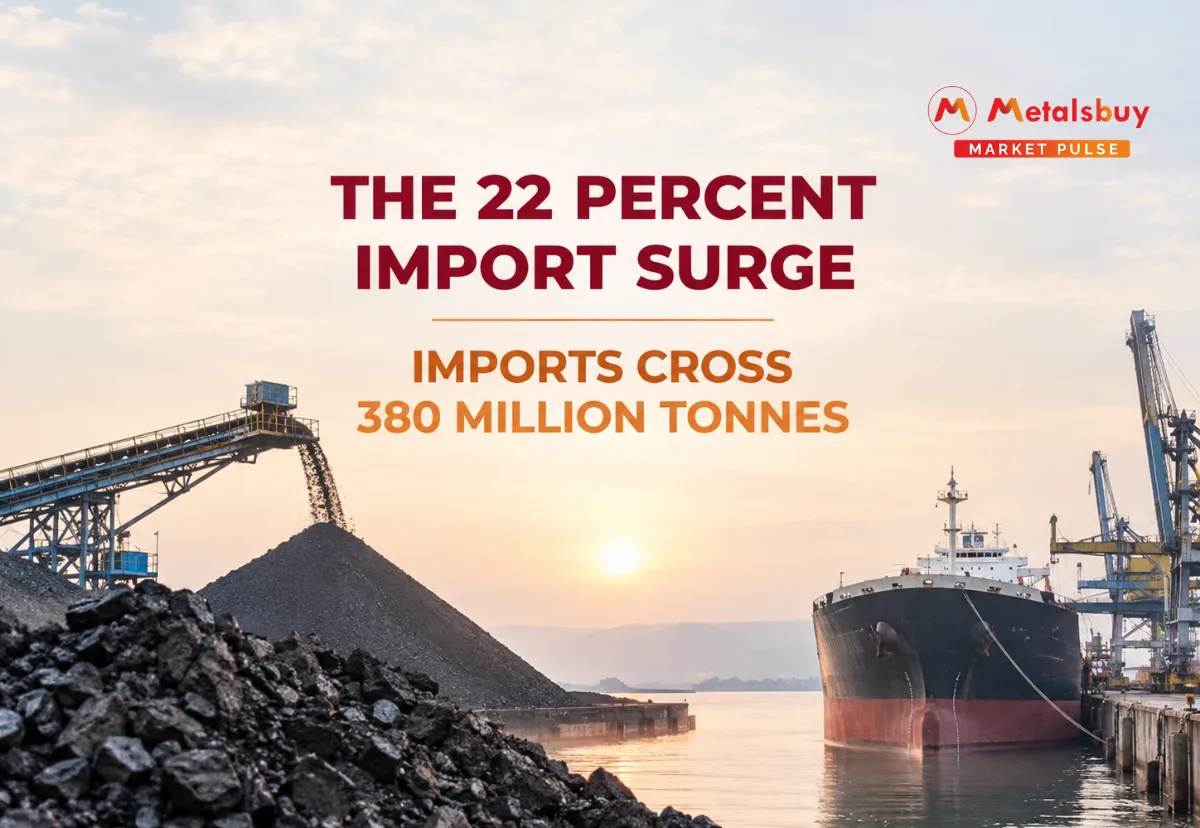
China’s energy and manufacturing sectors are demonstrating remarkable foresight in securing their core operational requirements as the third quarter concludes. Recent customs data highlights a massive upward trajectory in the procurement of international thermal and metallurgical coal. Over the first nine months of the year, the nation’s total coal imports registered a staggering 22 percent year-on-year increase. This aggressive buying strategy underscores a deliberate effort by Chinese utilities and heavy industries to ensure uninterrupted baseload power generation and maintain optimal factory run-rates. By leveraging international trade corridors, the country is actively building a formidable energy buffer ahead of the peak winter consumption months, ensuring robust support for its evolving industrial landscape.
Capitalizing on favorable seaborne pricing and stable supply
The primary catalyst driving this massive double-digit import growth is a highly calculated economic response to global commodity pricing dynamics. During the January to September window, international seaborne coal prices remained exceptionally attractive compared to domestic Chinese pithead prices. This price arbitrage created a highly lucrative opportunity for coastal power plants and integrated steel mills to ramp up their overseas procurement.
By absorbing this cheaper foreign coal, Chinese energy producers successfully lowered their overall cost of electricity generation. The sheer volume of this trade is monumental, with cumulative inbound shipments during the nine-month period comfortably crossing the 380 million metric tonne mark. This steady influx of material guarantees that regional power grids are not forced into expensive, last-minute spot purchases. Instead, operators can seamlessly blend high-energy imported coal with domestic supplies, optimizing their thermal efficiency and protecting their operational profit margins against volatile domestic market shifts.
Securing baseload power for a booming manufacturing sector
The aggressive accumulation of coal is inextricably linked to the robust energy demands of China's sprawling manufacturing ecosystem. Throughout the third quarter, the country experienced periods of intense industrial activity coupled with severe summer temperature spikes, which naturally drove national electricity consumption to record highs.
Thermal power continues to act as the absolute anchor for the Chinese electricity grid, accounting for the lion's share of total generation. As the new economy sectors—including electric vehicle manufacturing, advanced electronics, and green infrastructure fabricators—scale up their operations, the demand for uninterrupted, round-the-clock power becomes critical. The 22 percent surge in coal imports perfectly addresses this requirement. By ensuring that utility bunkers remain fully stocked, the government and private energy producers are effectively shielding the manufacturing base from the threat of sudden power rationing or grid instability, which could otherwise stall lucrative production lines.
Shifting trade dynamics and regional suppliers
Fulfilling a 22 percent increase in import volumes requires a highly diversified and agile global supply chain. Chinese buyers have aggressively tapped into multiple international mining hubs to secure these massive quantities, fundamentally reshaping regional maritime trade flows in the process.
Indonesia remains a dominant partner, supplying vast volumes of highly competitive thermal coal perfectly suited for Chinese coastal utility plants. Concurrently, imports from the Russian Federation and Australia have seen a steady, normalized flow, providing both thermal and premium metallurgical coal required for heavy blast furnace operations. This diversified procurement strategy is highly intentional. By balancing their inbound shipments across various geographic corridors, Chinese importers are actively mitigating the risks associated with localized weather disruptions or geopolitical trade friction. This robust network ensures a continuous, high-volume flow of raw materials into major eastern and southern seaports.
Influencing global freight markets and domestic mining strategies
The sheer scale of China's import activity is also sending strong ripple effects across the international maritime logistics sector. Moving such vast quantities of bulk commodities requires a massive deployment of Panamax and Capesize dry bulk vessels. This steady demand for shipping capacity has provided a strong baseline of support for global freight rates in the Pacific basin.
Simultaneously, the influx of foreign coal allows China's domestic mining sector to operate at a more sustainable, safety-focused pace. Rather than pushing local mines beyond their safe operational limits to meet peak seasonal demand, the government can leverage imports to balance the load. This complementary approach between domestic extraction and international procurement highlights a maturing resource management strategy, ensuring long-term sustainability for local mines while keeping the broader economy fully fueled.
Maintaining long term operational resilience
From a macroeconomic perspective, the heavy frontloading of coal imports places the Chinese industrial sector in a highly secure position as it transitions into the fourth quarter. The impending winter season traditionally brings a massive spike in residential heating demand, which places maximum stress on domestic coal reserves.
By securing a 22 percent import surplus now, China has effectively neutralized the risk of a winter energy deficit. Massive stockpiles have already been established at major port facilities and directly at power plant stockyards. This proactive energy management guarantees that even if domestic mining output faces seasonal logistical hurdles, the broader economy will remain completely energized. Ultimately, this strategic procurement proves the immense bandwidth of China's supply chain management, ensuring that the country's heavy manufacturing and infrastructure engines continue to operate with absolute confidence and stability.