Key Numbers
• Vedanta Group Revenue (FY25): ₹1.5 Lakh Crore+
• Iron Ore Resources Under Development: Significant Captive Resource Base
• India's Crude Steel Production (FY26): ~169 Million Tonnes
• India's Steel Consumption (FY26): ~161 Million Tonnes
• National Steel Capacity Target (2030): 300 Million Tonnes
• Iron Ore Accounts for: 35–45% of Integrated Steel Production Cost
• India Iron Ore Production FY26: More than 300 Million Tonnes
• Value-Added Steel Share in India: Continuously Increasing
Market Analysis
1. Vedanta Eyes Transformation into a Fully Integrated Steel Producer
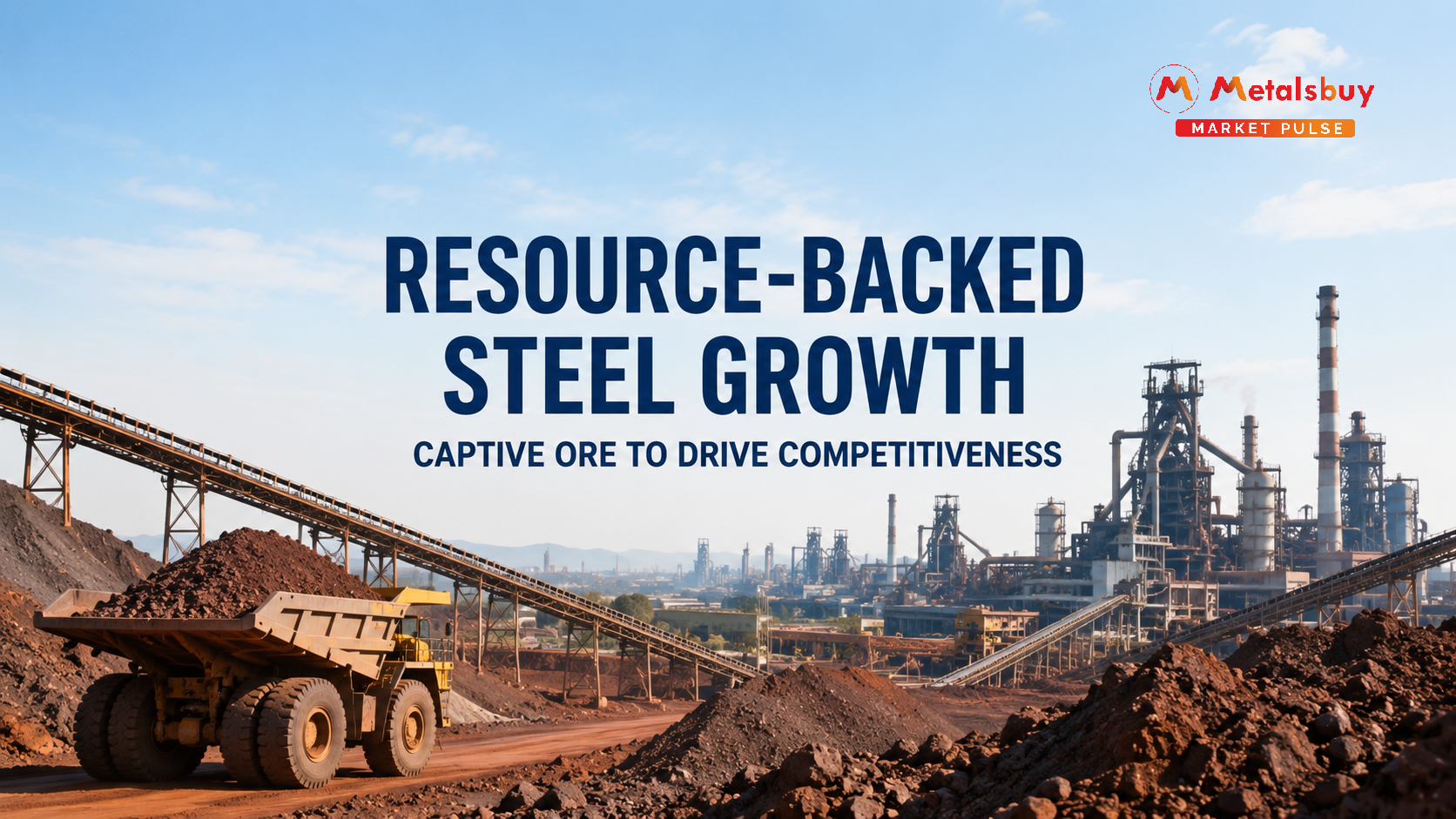
Vedanta Iron & Steel has outlined an ambitious strategy to transform itself into a resource-backed integrated steel platform built around captive iron ore resources, backward integration, and value-added steel production. The company's vision reflects a growing trend among major steel producers to strengthen control over raw materials while improving operational efficiency across the value chain. By integrating mining and steelmaking operations, Vedanta aims to reduce dependence on external suppliers and improve cost competitiveness. The move comes at a time when steel producers globally are increasingly focused on securing long-term raw material availability amid growing resource competition. The strategy also aligns with India's broader ambition of becoming a leading global steel producer over the coming decade.
2. Captive Iron Ore Assets Could Become a Major Competitive Advantage
Iron ore remains one of the most important cost components in integrated steel production, often accounting for between 35% and 45% of total steelmaking costs. Companies with access to captive ore resources typically enjoy greater cost stability, improved supply security, and stronger operating margins compared to producers reliant on market purchases. Vedanta's focus on developing a resource-backed steel platform is therefore strategically significant, particularly during periods of commodity price volatility. As global iron ore markets continue to experience fluctuations driven by Chinese demand, supply disruptions, and freight costs, captive mining assets can provide a valuable hedge against market uncertainty. The ability to internally source a significant portion of raw material requirements could strengthen Vedanta's long-term competitiveness within India's steel sector.
3. Backward Integration Emerging as a Key Industry Trend
The steel industry is witnessing a renewed focus on backward integration as producers seek greater control over their supply chains. Leading global steelmakers have increasingly invested in iron ore mines, coal assets, pellet plants, and logistics infrastructure to improve efficiency and reduce procurement risks. In India, companies with strong raw material integration have often demonstrated greater resilience during periods of price volatility and market downturns. Vedanta's strategy mirrors this trend by creating stronger linkages between mining operations and downstream steel production. Such integration not only improves cost economics but also enhances operational flexibility and long-term planning capabilities.
4. Focus on Value-Added Steel Products Could Improve Profitability
Beyond raw material security, Vedanta is also targeting growth in value-added steel products. The Indian steel market has gradually shifted toward higher-value segments including automotive steel, coated steel, specialty steel, engineering grades, and infrastructure-focused products. These categories typically offer stronger margins compared to commodity-grade steel products and are less vulnerable to pricing pressure from imports. Government initiatives promoting domestic manufacturing and infrastructure development are also expected to increase demand for specialized steel products. By expanding its presence in value-added segments, Vedanta could diversify revenue streams while strengthening its position within higher-growth areas of the steel market.
5. India's Expanding Steel Market Creates Long-Term Opportunities
India remains one of the fastest-growing steel markets globally, supported by infrastructure development, urbanization, manufacturing growth, and rising per-capita steel consumption. Crude steel production reached approximately 169 million tonnes during FY26, while domestic steel consumption exceeded 160 million tonnes. Industry projections suggest that steel demand could continue growing at 7–9% annually over the medium term, supported by government investment and industrial expansion. Against this backdrop, integrated steel producers with secure raw material access and efficient operations are expected to be among the primary beneficiaries of market growth. Vedanta's strategy appears designed to capitalize on these long-term structural opportunities.
6. Resource Security Becoming Increasingly Important for Future Expansion
As India's steel sector moves toward the national target of 300 million tonnes of steelmaking capacity by 2030, competition for raw material resources is expected to intensify. Securing long-term access to iron ore, coal, and logistics infrastructure is becoming increasingly critical for producers seeking sustainable growth. Companies with integrated resource bases are likely to enjoy greater operational stability and stronger resilience against future supply disruptions. Vedanta's focus on building a resource-backed steel platform therefore represents not only a growth strategy but also a risk management approach aimed at supporting future expansion plans. The move highlights the increasing strategic importance of resource ownership in shaping the next phase of India's steel industry development.
Industry Impact
Vedanta's integrated steel strategy reinforces a broader shift within the industry toward greater resource security, supply chain control, and operational efficiency. For the Indian steel sector, the development highlights the growing importance of captive raw material assets in maintaining competitiveness and profitability. As capacity expansion continues across the country, companies with strong backward integration are likely to be better positioned to manage input cost volatility and supply disruptions.
The emphasis on value-added steel products is equally significant as the industry seeks to move beyond commodity-grade production toward higher-margin segments. This transition could help improve profitability, enhance product quality, and strengthen India's position in global steel markets. The development therefore reflects both company-specific ambitions and broader structural changes occurring within the steel industry.
Outlook
Vedanta's strategy of combining captive iron ore resources, backward integration, and value-added steel production positions the company to benefit from India's long-term steel growth story. As infrastructure investment, manufacturing activity, and urbanization continue driving steel demand, integrated producers with secure raw material access are expected to gain a competitive advantage. Market participants will closely monitor Vedanta's execution of this strategy, particularly its progress in resource development and downstream steel expansion.
The broader industry outlook remains positive, supported by strong domestic demand fundamentals and continued capacity additions. However, rising competition, raw material availability, and global steel market conditions will remain key factors influencing the success of future expansion plans. Companies capable of combining scale, resource security, and value-added production are likely to emerge as long-term winners in India's evolving steel landscape.
---