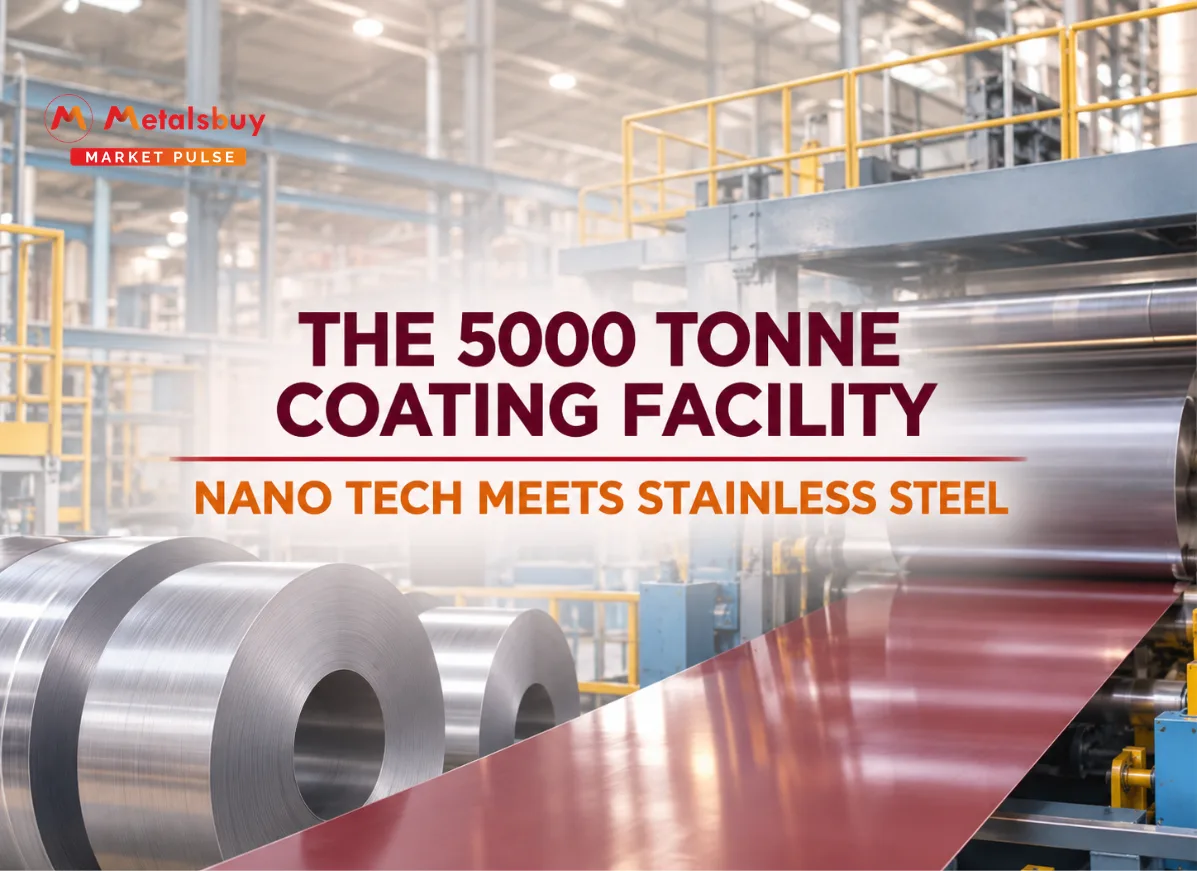
Expanding its value-added product portfolio, the Indian stainless steel giant introduces a highly automated finishing facility in Haryana to meet the sophisticated demands of the mobility, infrastructure, and medical equipment sectors. The Indian metallurgical ecosystem is taking another highly decisive step up the global manufacturing value chain. Moving beyond the bulk production of raw metals, domestic steelmakers are aggressively investing in advanced downstream capabilities to offer ready-to-use, premium components to industrial buyers. Highlighting this strategic evolution, Jindal Lifestyle Limited, a direct subsidiary of the country's largest stainless steel producer Jindal Stainless Limited, has officially commissioned a state-of-the-art powder coating facility. Located at its primary manufacturing complex in the northern state of Haryana, this new unit allows the company to integrate specialized surface finishing capabilities directly into its product portfolio. For the broader industrial market, this localized development means original equipment manufacturers now have faster, more reliable access to high-grade, coated stainless steel products without relying on fragmented third-party processors.
Empowering advanced infrastructure and mobility applications
The new finishing facility is specifically engineered to target critical downstream sectors including metro rail transit and automotive component manufacturing by supplying highly durable finished materials. The core objective of this strategic capital deployment is to fulfill the rapidly changing material requirements of India's modernizing infrastructure and transportation networks. According to official corporate disclosures, the newly commissioned facility boasts a dedicated processing capacity of 5,000 metric tonnes per year. This volumetric addition is meticulously tailored to cater to industries where material durability, aesthetic appeal, and resistance to harsh environmental elements are absolutely non-negotiable.
Jindal Lifestyle plans to utilize this new capacity to offer a significantly wider range of surface finishes for highly specialized components. The primary target markets include the rapidly expanding urban metro rail systems and the broader automotive sector, both of which require coated stainless steel parts for interior paneling, grab poles, and structural frames. Furthermore, the facility will supply customized materials for critical public infrastructure projects, complex luggage handling systems in modernizing airports, and precision medical equipment racks. By offering factory-certified surface coatings that prevent scratching and chemical corrosion, the company ensures that end-users receive materials perfectly suited for high-stress, high-traffic commercial applications.
Integrating next generation automation and nano technology
Moving beyond conventional coating processes, the new plant relies on state of the art chemical treatments and automated conveyor systems to maximize factory throughput and ensure metallurgical longevity. Achieving a flawless, industrial-grade powder coat on stainless steel requires immense technical precision. The new facility in Haryana is built around a highly sophisticated, fully automated conveyor-based manufacturing process. This specific layout eliminates the manual handling of components between processing stages, significantly reducing the risk of surface contamination and accelerating the overall daily production run-rate.
The technical specifications of the plant highlight a major leap in domestic processing technology. The unit incorporates a comprehensive nine-stage water tank system utilizing advanced nano pre-treatment chemistry. This nano-level chemical preparation is critical; it fundamentally alters the surface tension of the stainless steel, ensuring that the subsequent powder coat adheres with maximum mechanical strength. Following the chemical wash, the components move through advanced, precision-controlled spray technology booths. The flexible design of the overhead conveyor system allows the plant to simultaneously process and coat components of varying sizes and geometric complexities. This operational flexibility ensures that the company can seamlessly switch between processing massive infrastructure panels and delicate medical equipment racks without suffering costly factory downtimes.
Capturing premium margins through strict backward integration
By localizing high end surface finishing capabilities, the corporate management effectively shields its revenue streams from the severe pricing volatility of base commodity markets. From a corporate and macroeconomic perspective, the commissioning of this powder coating facility represents a highly calculated commercial pivot known as downstream integration. Historically, primary metal producers simply shipped bare stainless steel coils or sheets to original equipment manufacturers, who would then have to bear the cost and logistical headache of hiring third-party vendors to cut, shape, and coat the material.
By establishing its own 5,000-tonne powder coating facility, Jindal Lifestyle is capturing the full value addition within its own factory gates. Offering a finished, coated component commands a significantly higher price premium in the retail and wholesale markets compared to selling raw, uncoated steel. This strategy effectively insulates a portion of the company’s revenue from the cutthroat price wars that frequently destabilize the international market for basic commodity metals. For the downstream buyers and auto companies, procuring a finished component directly from the primary steelmaker drastically reduces their own supply chain complexity, cuts down material lead times, and guarantees a uniform standard of quality that smaller, unorganized coating shops simply cannot match.
Accelerating the national push for industrial self reliance
The continuous deployment of capital into sophisticated secondary processing directly strengthens India's manufacturing backbone and reduces dependency on imported specialized components. The successful launch of this specialized processing unit aligns perfectly with the broader industrial ambitions of the Indian economy. As the central government pushes its massive capital expenditure agenda to modernize airports, expand railway networks, and upgrade urban healthcare facilities, the demand for durable, aesthetically finished stainless steel is set to accelerate aggressively.
If domestic companies fail to develop these advanced finishing capabilities, Indian contractors would be forced to import pre-coated specialized steel components from East Asian manufacturing hubs. By proactively expanding its processing footprint in Haryana, Jindal Stainless and its subsidiaries are actively plugging this critical supply chain gap. As the manufacturing sector heads into a highly active winter quarter, having localized, high-capacity finishing plants ensures that India's ongoing infrastructure boom is built using materials that are technologically advanced, highly cost-effective, and proudly manufactured entirely within the country.