Navigating temporary festive season procurement pauses
The primary catalyst for the current stabilization in daily trading volumes is the traditional demographic shift that occurs across India's heavy industries during the peak festive season. As the nation celebrates its largest festivals, a substantial portion of the migrant workforce employed in civil engineering, real estate development, and secondary rolling mills temporarily returns to their home states. This seasonal reverse migration naturally slows down the execution pace of large-scale infrastructure projects and regional construction sites. Consequently, the immediate requirement for long steel products, particularly Thermo Mechanically Treated rebars and structural beams, has witnessed a noticeable, albeit temporary, dip.
Market intelligence reports indicate that retail off-take in key regional trading hubs has slightly contracted as contractors pause fresh bulk orders. Buyers and regional distributors are currently operating with highly comfortable stock levels, allowing them to strictly follow a need-based procurement strategy. Instead of rushing to secure new shipments, developers are preferring to consume whatever limited inventory they already have on hand until full workforce strength is restored at project sites post-festivities. This calculated pause gives the entire supply chain a brief moment to reset before the frantic end-of-year execution rush begins.
Inventory optimization protects corporate profit margins
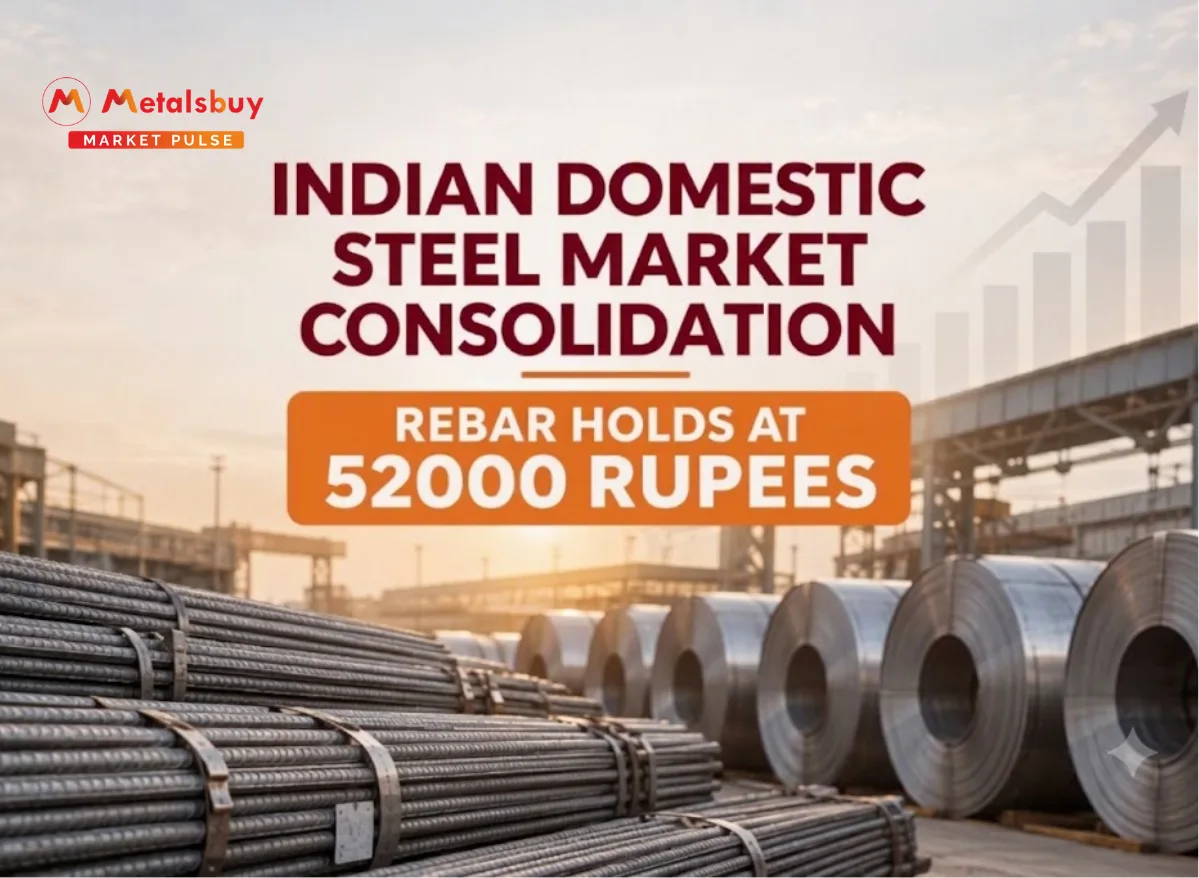
Despite the distinct slowdown in purchasing volumes, the domestic pricing environment has avoided any severe downward corrections, highlighting the growing maturity and commercial discipline of Indian steel producers. Rather than engaging in aggressive, margin-destroying price wars to force sales in a quiet market, major integrated mills and secondary induction furnace operators are confidently holding their offers relatively steady. In major central and western trading hubs, benchmark prices are moving sideways in a tight, consolidated range. For instance, hot-rolled coil prices in the Mumbai wholesale market are currently holding exceptionally stable near the ₹51,000 to ₹51,500 per tonne mark. Similarly, the base price for blast-furnace route rebar in the Raipur market has stabilized around ₹52,000 per tonne.
By tightly controlling their factory dispatches and deliberately avoiding an inventory glut at the dealer level, steelmakers are establishing a firm pricing floor. This strategic restraint is absolutely crucial. It ensures that when buyers inevitably return to the market in November to replenish their depleted stocks, prices will be perfectly positioned for a rapid, demand-driven recovery rather than starting from a depressed baseline. Furthermore, a recent cooling in international raw material costs, with global iron ore prices settling comfortably below the hundred-dollar mark, provides domestic mills with a much-needed financial cushion, protecting their operational margins during this slow sales window.
Anticipating a massive post holiday manufacturing rebound
From a broader macroeconomic perspective, this temporary, sideways market movement is merely the quiet preparation for a highly anticipated industrial acceleration. The underlying demand engines of the Indian economy remain incredibly robust and well-funded. While construction steel is temporarily subdued, the flat steel segment continues to see steady, reliable absorption from the automotive and consumer durables sectors. Automakers are currently running their assembly lines at peak capacity to ensure dealerships are fully stocked for the festive retail sales rush, heavily procuring cold-rolled coils and galvanized sheets.
Once the festivals conclude in early November, the construction sector is fully expected to rebound violently. The central government has allocated a massive ₹11.11 lakh crore capital expenditure budget for national highway, railway, and urban infrastructure expansions that must be utilized efficiently before the end of the financial year. As top-tier contractors rush to meet these strict government execution deadlines, the deferred demand for structural steel will hit the market all at once. By efficiently managing their supply chains and holding firm on pricing today, Indian steelmakers are perfectly positioning themselves to capture this massive, high-volume order book, ensuring a highly lucrative, active, and profitable close to the calendar year.