Key Numbers
- Hydro Power Capacity: 96 MW
- Location: Rongni Chhu Hydro Power Project, Sikkim
- Operator: Madhya Bharat Power Corporation Ltd. (Wholly-owned subsidiary of Sarda Energy & Minerals Ltd.)
- Current Status: Power generation resumed after successful restoration of national grid connectivity
- Previous Disruption: Operations were suspended following the collapse of a transmission tower due to heavy rainfall in June 2026.
Market Analysis
Sarda Energy Successfully Restarts Sikkim Hydro Power Operations
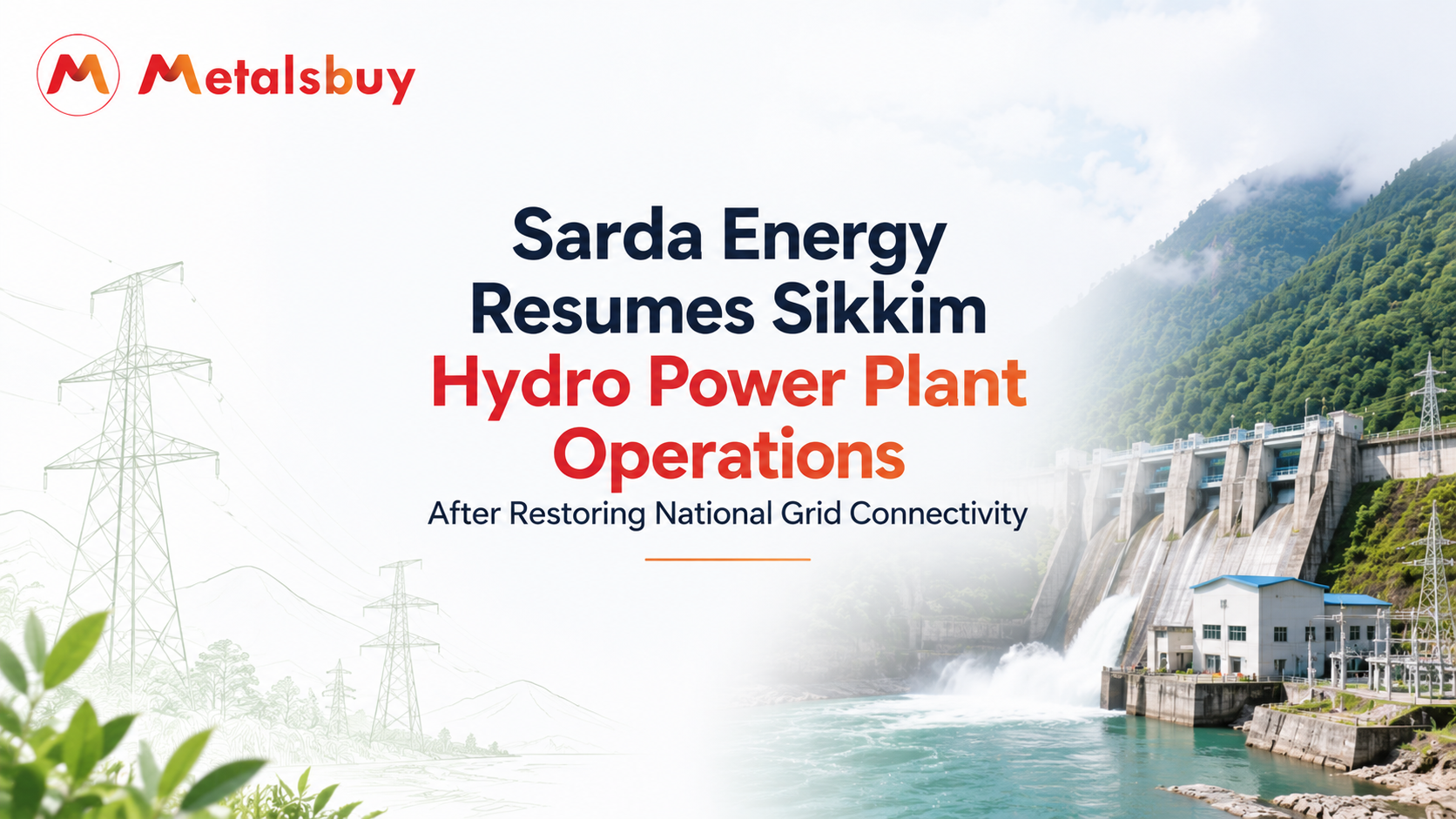
Sarda Energy & Minerals Limited has resumed operations at its 96 MW Rongni Chhu Hydro Power Project in Sikkim after successfully restoring connectivity with the national power grid. The project, operated through its wholly owned subsidiary Madhya Bharat Power Corporation Ltd. (MBPCL), has been synchronised with the grid, enabling electricity generation to recommence after a temporary outage. The restoration marks an important operational milestone for the company, allowing one of its key renewable energy assets to return to commercial operation. The restart also restores an important source of revenue that had remained unavailable since the disruption in June. The development demonstrates the company's ability to restore critical infrastructure within a relatively short period despite adverse weather conditions.
Transmission Infrastructure Restored Following Monsoon Damage
Operations at the hydro power project had been suspended after heavy rainfall triggered the collapse of a transmission tower on June 18, disrupting evacuation of electricity from the plant. While the hydro generation units remained technically capable of producing power, the damaged transmission infrastructure prevented electricity from being supplied to the national grid. Following restoration work and successful synchronisation, the project has now resumed normal operations. The earlier outage was primarily an infrastructure issue rather than a problem with the generating assets themselves. This distinction allowed the company to restore generation promptly once grid connectivity was re-established.
Renewable Power Portfolio Receives Immediate Boost
The recommissioning of the Sikkim hydro project strengthens Sarda Energy's renewable energy portfolio at a time when clean energy generation continues to gain strategic importance. Hydropower remains one of the country's most reliable renewable energy sources, providing stable base-load generation with relatively low operating costs after commissioning. The restart will contribute additional renewable electricity to the national grid while improving asset utilisation for the company. Restoring generation also improves operational efficiency by bringing an idle generating asset back into commercial service. For Sarda Energy, the development reinforces the importance of maintaining a diversified business portfolio spanning steel, mining and renewable power.
Revenue Stream Restored After Temporary Disruption
The resumption of operations is expected to restore a significant revenue stream that had been interrupted during the outage. Although the company had earlier stated that losses arising from the disruption were covered under insurance, restarting the facility enables normal revenue generation to resume while reducing dependence on insurance claims. The return of commercial operations also improves overall capacity utilisation across the company's power business. Investors generally view the timely restoration of key operating assets positively, particularly when disruptions arise from external factors such as extreme weather events. The development therefore removes an important operational uncertainty that had emerged following the June shutdown.
Weather Resilience Remains a Key Industry Focus
The incident also highlights the growing importance of infrastructure resilience for India's power sector, particularly in regions that experience heavy seasonal rainfall and challenging terrain. Climate-related weather events continue to test the reliability of transmission networks serving hydroelectric projects across the Himalayan region. Strengthening transmission infrastructure, improving disaster preparedness and accelerating restoration capabilities are becoming increasingly important priorities for power developers and utilities. As renewable energy capacity continues to expand, ensuring uninterrupted grid connectivity will remain just as critical as generation capacity itself. The successful restoration at the Rongni Chhu project demonstrates the importance of rapid response and infrastructure recovery following extreme weather events.
Positive Outlook for the Company's Renewable Business
With operations now fully restored, Sarda Energy can once again benefit from the contribution of its Sikkim hydro project to overall earnings and renewable energy generation. The restart also supports India's broader objective of increasing the share of clean energy within the national power mix. As electricity demand continues to grow alongside industrial expansion, reliable renewable generation assets are expected to play an increasingly important role in meeting future energy requirements. The successful recommissioning of the plant places the company in a stronger operational position for the remainder of FY27. Continued stable operations will now depend on maintaining resilient transmission infrastructure throughout the monsoon season.
Industry Impact
The successful restart of Sarda Energy's Sikkim hydro project restores valuable renewable generation capacity to the national grid while strengthening the company's diversified energy portfolio. The development also highlights the importance of resilient transmission infrastructure for ensuring uninterrupted clean energy supply, particularly in weather-sensitive regions.
Outlook
With grid connectivity restored and power generation resumed, Sarda Energy is expected to benefit from improved renewable energy output and normalised revenue generation during the coming quarters. The focus will now shift towards maintaining operational stability throughout the remainder of the monsoon season while continuing to strengthen infrastructure resilience against future weather-related disruptions.
Disclaimer: This analysis is based on publicly available company disclosures and independently verified industry reports. Operational status and financial impact remain subject to future company updates and regulatory disclosures.