The international steel sector is entering a transformative period of strategic recalibration. According to recent projections from the Organisation for Economic Co-operation and Development, global excess steelmaking capacity is expected to reach approximately 721 million tonnes by the year 2027. While traditional market analyses often view capacity gaps as a hurdle, proactive industry leaders and policymakers are increasingly recognizing this upcoming phase as a massive catalyst for long-term modernization. This period of abundant supply is set to accelerate the retirement of obsolete, carbon-heavy infrastructure, paving the way for a highly efficient, green, and consolidated global manufacturing ecosystem.
Navigating the expanding capacity gap
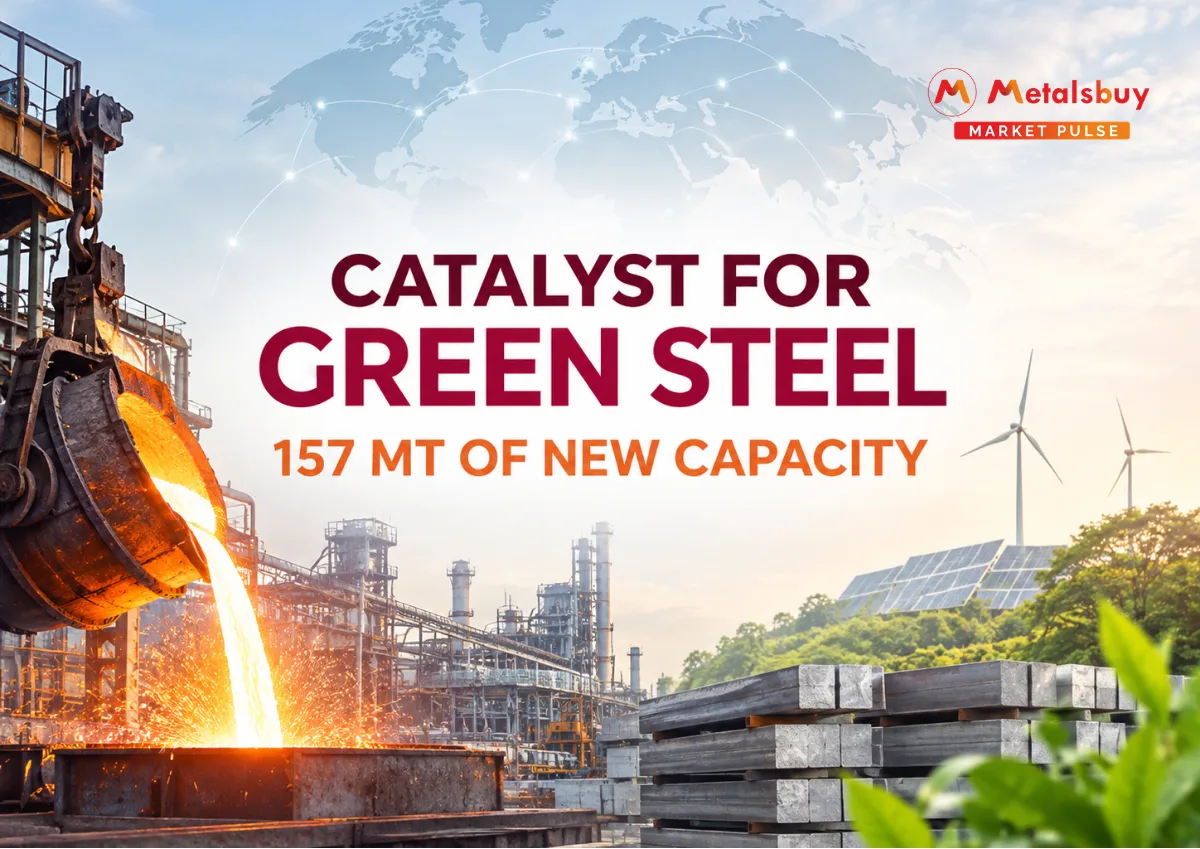
The latest data shared during recent international steel forums indicates a significant build-up in global production capabilities. Experts estimate that an additional 157 million tonnes of new steelmaking capacity could become operational between 2024 and 2027. If all planned projects are successfully commissioned, the total global installed capacity could push past the 2.5 billion tonne mark.
When factoring in current consumption forecasts, the gap between total production capability and actual end-user demand is projected to widen to 721 million tonnes. A significant portion of these new investments is heavily concentrated in rapidly developing economic regions, particularly across Southeast Asia, India, and parts of the Middle East, where long-term infrastructure demand remains exceptionally robust. For the global market, this growing capacity ensures that the supply of vital industrial materials will remain highly liquid and reliable, completely shielding downstream manufacturers from the threat of sudden material shortages or aggressive price spikes over the coming decade.
Accelerating the shift towards green steel production
One of the most positive outcomes of this projected excess capacity is its potential to aggressively fast-track the industry's decarbonization efforts. When the global market has an abundance of available steel, the commercial viability of operating older, highly polluting blast furnaces diminishes rapidly.
Facing a highly competitive pricing environment, major steelmakers are actively redirecting their capital expenditures away from sheer volume expansion and toward technological upgrades. Integrated mills are increasingly decommissioning outdated facilities in favor of modern Electric Arc Furnaces and Direct Reduced Iron plants. By shutting down inefficient legacy assets and embracing cleaner production routes, the industry can naturally balance the supply-demand equation while simultaneously achieving critical climate targets. This period essentially provides the necessary supply buffer for the industry to undergo a massive green transition without disrupting the steady flow of materials to the global construction and automotive sectors.
Opportunities for downstream manufacturing sectors
From a macroeconomic perspective, an environment characterized by robust steel availability is a massive win for downstream industries. The construction, heavy machinery, and consumer durables sectors rely entirely on the predictable pricing of flat and long steel products to execute multi-year capital projects.
With an anticipated 721 million tonnes of excess capacity globally, end-users will find themselves in a highly favorable procurement position. This abundant supply acts as a natural counter-inflationary force, ensuring that the cost of building critical infrastructure, including renewable energy grids and affordable housing, remains economically viable. Furthermore, the booming electric vehicle sector will benefit immensely from secure, uninterrupted access to specialized electrical steels and high-strength automotive sheets, ultimately supporting the broader global push toward sustainable mobility.
Trade dynamics and regional supply chain resilience
The shifting capacity landscape is also encouraging nations to proactively strengthen their regional supply chains. As global production capabilities expand, governments and trade blocks are prioritizing domestic self-reliance to manage the influx of cross-border trade.
We are witnessing a proactive restructuring of global trade corridors, where nations are balancing the need to protect their domestic manufacturing bases with the benefits of open commerce. Instead of engaging in cutthroat price wars, major producing nations are increasingly focusing on producing value-added, high-margin specialty steels that cater to specific regional needs. This evolution ensures that local steelmakers remain profitable and technologically advanced, fostering a highly resilient global trade environment where quality and sustainability take precedence over sheer production volume.
A collaborative path forward for global steelmakers
To ensure a smooth transition through this phase of capacity expansion, international collaboration is taking center stage. Organizations like the OECD are facilitating crucial dialogues between governments, industry bodies, and major corporations to promote supply-side discipline and transparent market practices.
This environment naturally encourages strategic industry consolidation. We are likely to see an increase in mergers and acquisitions as companies pool their resources to optimize production and invest heavily in research and development. Ultimately, the projected 721 million tonne capacity gap is not a crisis, but a defining moment for structural optimization. By embracing operational efficiency, prioritizing green technology, and focusing on value-added manufacturing, the global steel industry is perfectly positioning itself to emerge stronger, cleaner, and more resilient by the end of the decade.