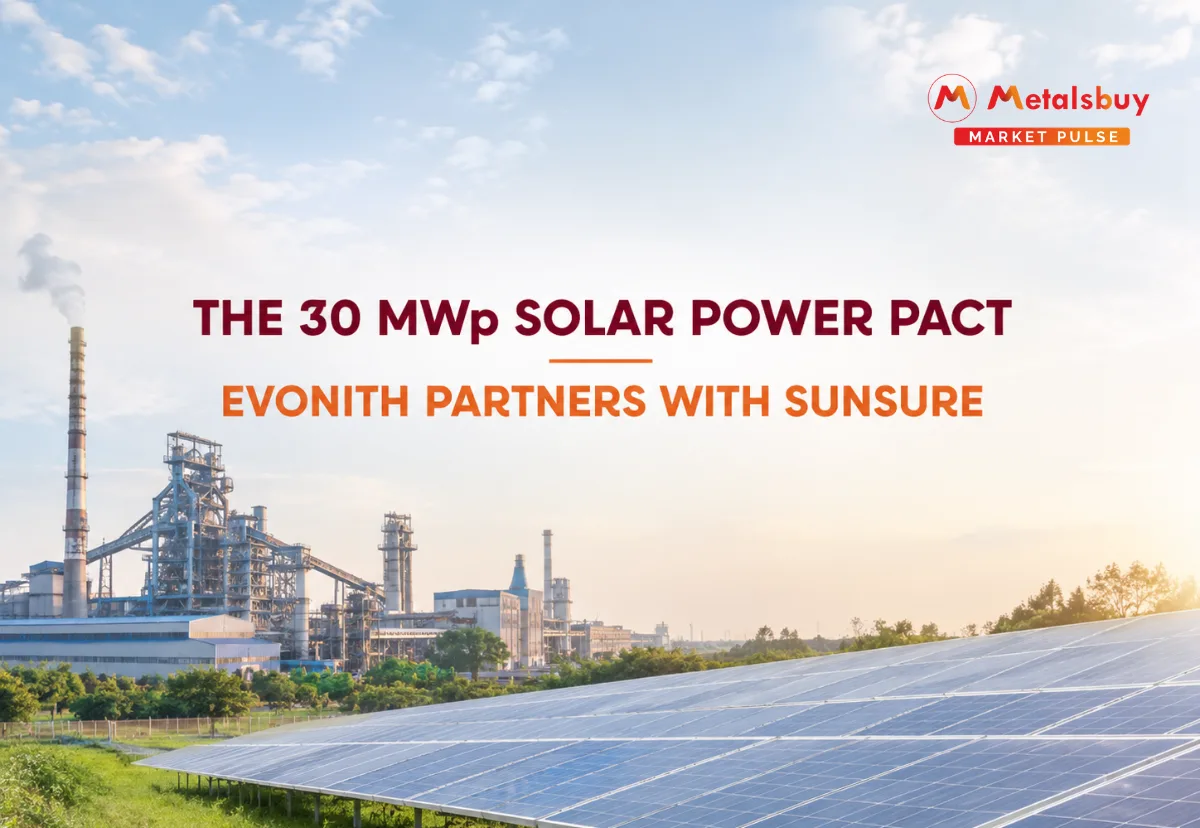
The Indian metallurgical sector is experiencing a rapid and necessary transition toward sustainable manufacturing as mid-tier producers actively integrate renewable power into their heavy industrial operations. Evonith Steel, a prominent player in the domestic flat and long products market, has officially formalized a long-term power purchase agreement with independent power producer Sunsure Energy. This strategic pact will facilitate the supply of 30 megawatts peak of solar energy to Evonith’s integrated steel manufacturing complex located in Wardha, Maharashtra. For the broader industry, this proactive shift toward clean energy highlights how domestic steelmakers are successfully decoupling their capacity growth from carbon-heavy power grids to secure long-term financial and environmental resilience.
Accelerating decarbonization through massive solar energy integration
The core of this new partnership revolves around drastically reducing the carbon footprint of an inherently energy-intensive manufacturing process. Under the terms of the agreement, Sunsure Energy will construct and operate dedicated renewable energy infrastructure to feed the Wardha steel mill. Once fully operational, this 30 megawatts peak (MWp) solar installation is projected to deliver an estimated 45 million units of green electricity to the facility every single year. By injecting this massive volume of clean energy directly into its production cycle, Evonith Steel is systematically displacing its reliance on traditional, coal-fired grid power.
The environmental impact of this single power purchase agreement is highly substantial. Industry data estimates that the utilization of this solar power will enable Evonith Steel to offset approximately 40,500 tonnes of carbon dioxide emissions annually. Over the standard 25-year lifecycle of a commercial solar project, this translates to the mitigation of over one million tonnes of greenhouse gases. To put this ecological benefit into perspective, sequestering an equivalent amount of carbon dioxide would require planting over 1.6 million mature trees. By locking in this clean energy feed, the manufacturer is taking a monumental step toward bringing its facility in line with global sustainability benchmarks.
Leveraging open access models to reduce operational power costs
Beyond the obvious environmental benefits, the decision to procure massive volumes of solar power is deeply rooted in optimizing the fundamental economics of steel production. Smelting raw materials and operating heavy rolling mills requires a constant, high-voltage electricity supply. In the Indian secondary and mid-tier steel sector, power expenses frequently constitute a massive 25 to 30 percent of the total operational cost. Domestic steelmakers operating in industrialized states like Maharashtra often face steep and volatile commercial electricity tariffs levied by state distribution companies.
By utilizing the Group Captive or Open Access regulatory frameworks, Evonith Steel can procure electricity directly from Sunsure Energy at a predetermined, highly competitive tariff. This financial arrangement completely insulates a significant portion of the plant’s energy overhead from sudden grid price hikes and cross-subsidy surcharges. By structurally lowering the baseline cost of production per tonne of steel, the company effectively widens its profit margins. This newfound financial agility allows the manufacturer to price its finished products more aggressively in the highly competitive domestic market without bleeding capital.
Navigating global carbon taxes and securing export competitiveness
The push for green energy is no longer just a corporate social responsibility initiative; it has rapidly evolved into a strict commercial mandate required for global survival. The international trade landscape is currently undergoing a massive regulatory shift. Major Western markets, led primarily by the European Union, are preparing to fully implement the Carbon Border Adjustment Mechanism (CBAM) by early 2026. This aggressive environmental tariff will penalize imported industrial goods, including flat and long steel products, based on the volume of carbon emitted during their manufacturing process.
For Indian steelmakers looking to expand or maintain their presence in lucrative European and North American supply chains, high-emission production routes are rapidly becoming a severe financial liability. By proactively securing 45 million units of solar power annually, Evonith Steel is actively "greening" its supply chain. This measurable reduction in carbon intensity ensures that the company's finished steel will attract significantly lower border taxes compared to competitors still relying exclusively on fossil fuels, thereby protecting its export realization rates and global market share.
Setting a strategic precedent for the domestic manufacturing sector
From a broader macroeconomic perspective, this renewable energy pact signifies a highly successful turnaround and modernization strategy. Evonith Steel, previously known as Uttam Value Steels and Uttam Galva Metallics before its acquisition and rebranding by global investment firm Nithia Capital, operates a massive 1.5 million tonnes per annum facility in Wardha. The ability of the new management to not only stabilize the asset financially but also aggressively modernize its energy mix serves as a powerful blueprint for the rest of the industry.
As the Indian government pushes the domestic steel sector to expand its annual capacity to 300 million tonnes by 2030, managing the associated energy demand is paramount. Partnerships like the one between Evonith and Sunsure Energy prove that heavy manufacturing and ecological responsibility can comfortably coexist. By securing clean, low-cost power today, Evonith Steel is building a highly resilient, future-ready operational base that will confidently support India's booming infrastructure and automotive demands for decades to come.