The latest market data released by the Ministry of Commerce highlights a calculated stabilization in domestic steel prices, accompanied by firm raw material costs, pointing towards a healthy and resilient manufacturing environment. The global metallurgical sector is closely monitoring the pricing dynamics within the world's largest manufacturing hub as the autumn season progresses. According to the most recent weekly assessment released by China's Ministry of Commerce, average finished steel prices across the domestic market experienced a highly controlled, fractional decline during the October 19 to October 25 window in 2026. Rather than signaling any fundamental economic weakness, market analysts view this slight downward edge as a highly positive phase of strategic consolidation. By allowing prices to moderate gently, the domestic steel ecosystem is effectively preventing market overheating, ensuring that downstream industries continue to benefit from cost-effective raw materials while setting a stable foundation for the upcoming winter production cycles.
Managing finished steel prices for market stability
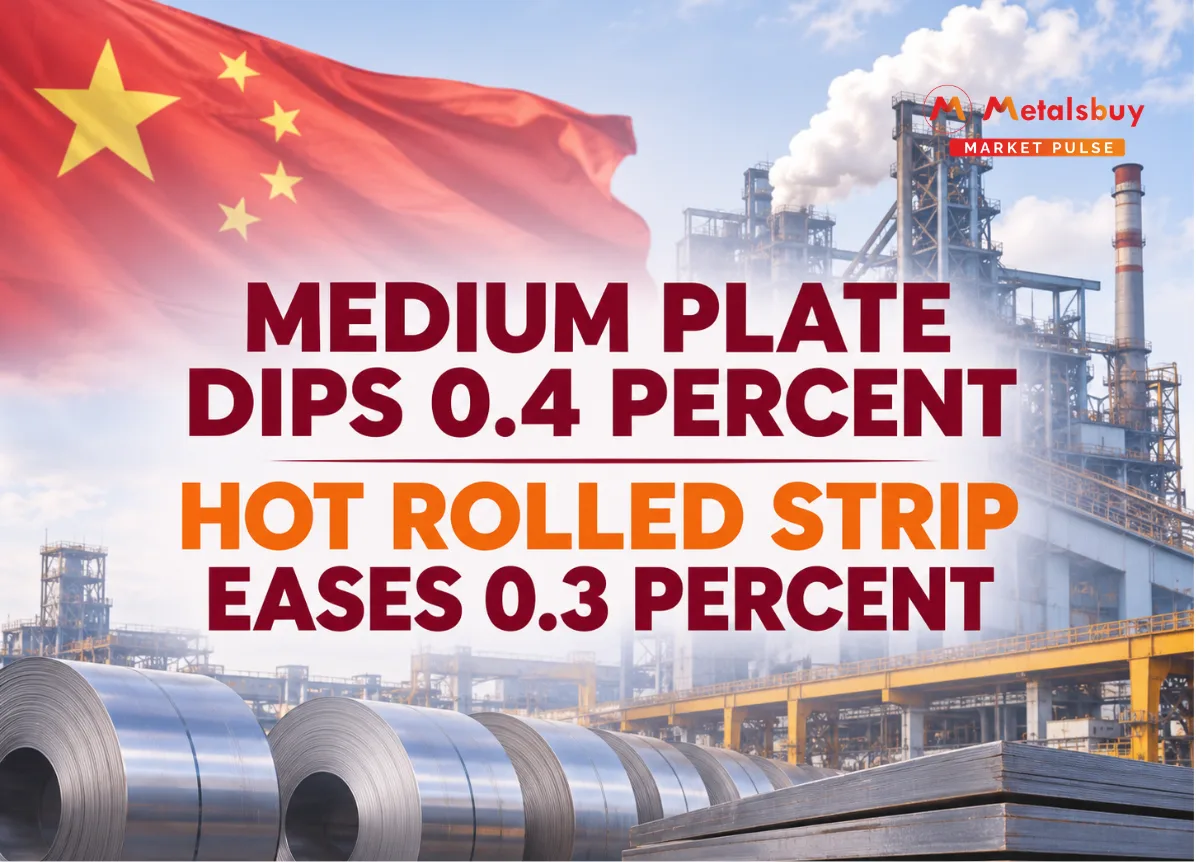
A marginal week-on-week adjustment in essential steel products reflects a disciplined approach by manufacturers to balance supply with shifting seasonal demand. The detailed breakdown of the Ministry of Commerce data provides a clear picture of the ongoing market recalibration. During the specific third-week window of October, the average price of common medium steel plate recorded a very slight decrease of 0.4 percent on a week-on-week basis. Similarly, the pricing for hot rolled steel strip edged down by a fractional 0.3 percent, while high-speed wire rod saw the smallest adjustment, dipping by just 0.2 percent compared to the previous week.
This measured, sub-one-percent adjustment across critical flat and long product categories is a textbook example of a mature market finding its equilibrium. Following the aggressive restocking activities that typically surround the early October Golden Week holidays, downstream buyers naturally adopt a more cautious, need-based procurement strategy. Instead of engaging in margin-destroying price wars, Chinese primary steelmakers and regional distributors are demonstrating excellent commercial discipline. By allowing prices to soften fractionally, they are actively clearing out excess post-holiday inventories without triggering a sharp market collapse. This calculated pricing strategy ensures that end-users in the domestic automotive, shipbuilding, and construction sectors maintain access to highly competitive materials, directly supporting the broader national goal of expanding value-added manufacturing outputs.
Raw material resilience supports robust production
The slight upward movement in domestic coal prices demonstrates strong underlying energy demand, providing a solid foundation for industrial operations during the winter transition. While finished steel products experienced a minor pricing retreat, the backend raw material and energy markets showcased remarkable resilience during the same October 19 to 25 timeframe. The Ministry of Commerce reported that the average price of thermal coal actually rose by 0.6 percent week-on-week. Concurrently, the vital steelmaking ingredient, coking coal, registered a 0.1 percent price increase, mirroring a similar 0.1 percent upward tick in the price of smoke-free lump coal.
This firming of domestic coal prices is a highly encouraging indicator for the broader industrial economy. The steady demand for thermal and coking coal proves that integrated blast furnace operators and regional power utilities are actively maintaining high capacity utilization rates. As northern Chinese provinces prepare for the traditional winter heating season, securing reliable energy feeds becomes the absolute top priority. The willingness of industrial consumers to absorb these slight increases in coal prices confirms that factory run-rates remain robust and that heavy manufacturers possess the financial bandwidth to secure their essential winter supply chains. This strong raw material baseline guarantees that the production of molten iron will continue uninterrupted, providing a secure supply buffer for the domestic metals market.
Strategic implications for the global supply chain
As the world's largest metal producer navigates its autumn economic cycle, this pricing moderation offers predictable procurement avenues for international buyers and regional downstream industries. From a macroeconomic perspective, the dual dynamic of stabilizing finished steel prices and firming energy costs creates an incredibly balanced and predictable commercial environment. For global commodities traders and international buyers who rely on Chinese steel exports, this period of minor price consolidation removes the anxiety associated with sudden, volatile price spikes. It allows global supply chain managers to plan their late-year procurement and capital expenditure budgets with absolute confidence.
Furthermore, this pricing environment aligns perfectly with recent economic stimulus measures rolled out by the central government. By keeping the base cost of structural and flat steel highly manageable, the industry ensures that newly funded infrastructure projects and real estate developments can execute their blueprints without facing crippling cost-push inflation. As the Chinese steel sector moves deeper into the fourth quarter, this disciplined balancing act between supply and demand guarantees that the industry will remain a reliable, cost-efficient, and stabilizing force for the entire global heavy manufacturing ecosystem.